Best Welding Electrode Drying Ovens for Reliable Welds
Welding electrode dryness is critical for consistent arc stability and crack-free welds. A dedicated drying oven keeps rods from absorbing moisture, especially in humid environments or outdoor work. In this guide, you’ll find high-capacity, reliable options that fit different job sites—from compact projects to large shops. We highlight five top picks with clear specs, safety features, and portability to help you choose the right oven for your welding routine. Whether you’re a professional welder or a hobbyist, these models are designed to extend electrode life and improve weld quality.
| Product | Capacity | Temp Range | Key Benefit |
|---|---|---|---|
| VEVOR Portable Welding Rod Oven (10LBS) | 10 lbs | Fixed at 300°F | Compact, safe transport with locking latch |
| YESWELDER 15lb Portable Oven | 15 lbs | 85–300°F | Moisture protection and versatile mobility |
| VEVOR 50LBS Welding Rod Oven | 50 lbs | Fixed at 300°F | High capacity for extended projects |
| Arc Union 20 lb Dry Stick Oven | 20 lbs | 80–300°F | Lightweight, portable with moisture protection |
| TOOLIOM 11lb Portable Oven | 11 lbs | 120–390°F | Temperature adjustable for precise drying |
VEVOR Portable Welding Rod Oven, 10LBS Capacity

The VEVOR 10LBS model offers a compact solution with a 10 lb capacity ideal for 18-inch electrodes. It uses a 230W FeCrAl heating element to reach 300°F quickly, promoting thorough drying. A side handle and top carry handle facilitate transport, and a locking latch enhances safety during operation. Fixed temperature means consistent results, reducing moisture-related weld defects and improving electrode lifespan.
YESWELDER 15lb Portable Welding Rod Oven

The YESWELDER unit is designed for moisture protection with a 15-pound capacity. Its 14-inch rod compatibility aligns with standard welding stocks, and its under-8-pound weight makes it easy to carry to different work sites—from garages to outdoor jobs. Temperature control up to 300°F provides flexibility for various rod types, helping to maintain low hydrogen weld deposits and strong, crack-free welds. A wide lid and easy-grip handle support convenient access even when wearing gloves.
VEVOR 50LBS Welding Rod Oven
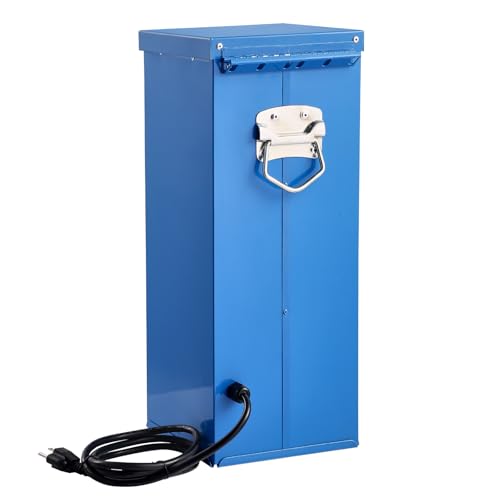
This high-capacity VEVOR oven handles up to 50 pounds of 18-inch electrodes, making it well-suited for busy shops and large projects. It shares the same fast-drying capability at around 300°F with a robust FeCrAl heating element. A locked lid and durable side handle simplify transport to the job site, and the fixed temperature design ensures consistent drying and quality across long welding sessions.
Arc Union 20 Lb Dry Welding Electrode Oven
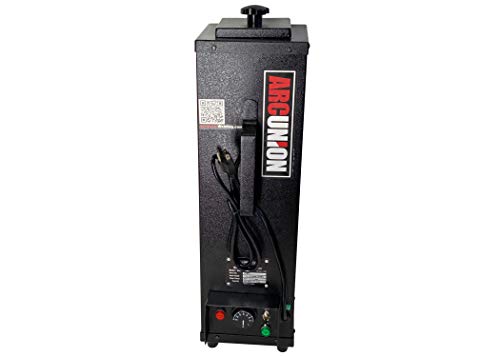
The Arc Union model focuses on high-quality construction and portability. It stores up to 20 pounds of rods and offers moisture protection to prevent porosity. The analog temperature dial covers 80–300°F, enabling users to dial in a suitable drying temperature for different electrode chemistries. Its lightweight design makes it easy to transport between work areas while maintaining electrode integrity.
TOOLIOM 11lb Portable Oven

The TOOLIOM oven supports up to 11 pounds of rods and provides adjustable temperature from 120°F to 390°F. This flexibility is helpful when drying different rod types or when accommodating environmental conditions. The appliance’s portability and foldable stand design offer ergonomic access and straightforward operation, helping maintain rod performance and weld consistency in varying work environments.
Buying Guide
- Capacity: Choose a unit that matches your typical rod usage. Larger shops benefit from 20–50+ pound capacities, while small shops or field sites can rely on 10–15 pounds.
- Temperature range: Drying temperatures vary by electrode type. Look for adjustable ranges or fixed, well-suited temperatures (commonly around 300°F) to maintain electrode quality and low hydrogen deposits.
- Power and portability: Consider power requirements (110V–120V typical) and weight. Models with side handles and locking latches improve transport safety on job sites.
- Moisture protection: Moisture control is essential to prevent porosity and arc instability. Look for sealed lids, robust seals, and quality build materials that resist corrosion.
- Durability: Durable construction—sturdy steel housing and reliable heating elements—extends service life in rugged environments.
- Ease of use: A straightforward temperature dial or fixed temperature with clear indicators reduces setup time and misadjustment on busy worksites.
- Safety: Locking lids and secure latches minimize accidental openings during transport; verify any required safety certifications or compliance for your worksite.
- Maintenance: Consider ease of cleaning and replacing heating elements or seals to minimize downtime and keep drying performance consistent.
When selecting a welding electrode drying oven, balance capacity with site needs and transportability. For mid-to-large shops, higher-capacity units reduce refilling and downtime. For fieldwork, portability and a broad temperature range can be decisive. All models covered provide moisture protection and stable drying to help ensure stronger, more reliable welds with reduced risk of hydrogen-induced cracking.