Best Silicon Carbide Lapping Pastes for Precision Finishes
Silicon carbide lapping pastes are essential for achieving precise, smooth finishes on metal, glass, ceramics, and more. This guide highlights top options available on Amazon, focusing on silicon carbide formulations, grit ranges, and practical use in gunsmithing, finishing, and mechanical work. The selections below cover a range of grits and applications to help you choose the right paste for cutting, smoothing, and final polish.
Summary of selected products:
| Product | Brand | Grit/Type | Primary Use |
|---|---|---|---|
| Wheeler 600 Grit Bore Lapping Compound, 1 oz Jar | Wheeler | 600 grit (polishing) | Bore lapping, final fit, smooth surface |
| Wheeler Lapping Compound Replacement Grit, 220-600 | Wheeler | 220–600 grit range | Bore lapping, progressive smoothing |
| Wheeler 220 Grit Bore Lapping Compound, 1 oz | Wheeler | 220 grit (cutting) | Initial bore cutting, lapping surface prep |
| Swiffen 2 Jar Total 3.53 oz 600 Grit Valve Lapping Compound | Swiffen | 600 grit | Bore lapping, scratch removal, smoothing |
| CLOVER Silicon Carbide Grease Mix, 320 Grit, 1 lb | Clover | 320 grit | General lapping, honing, grinding applications |
Wheeler 600 Grit Bore Lapping Compound

Wheeler’s 600 grit lapping compound is designed for polishing, offering a final-bore finish when lapping bolt faces, bolt lugs, or other components requiring a precise, smooth surface. This item is sold as a 1 ounce jar and is part of a three-grit system, including 220 and 320 grits for cutting and smoothing stages. The product emphasizes its use in firearms and gunsmithing, making it a standard choice for final-stage bore work where fit and surface consistency matter.
Wheeler Lapping Compound Replacement Grit

This Wheeler replacement grit kit offers 220, 320, and 600 grit options in a 1 oz paste, suitable for bore lapping in firearms. It supports a progressive approach: 220 for cutting, 320 for smoothing, and 600 for polishing. Used correctly, repeating the process with finer grits yields a significantly smoother bore and improved final alignment of components during gunsmithing tasks.
Wheeler 220 Grit Bore Lapping Compound

This 1 oz jar provides a 220 grit cutting option for bore lapping, suitable for initial material removal and shaping before progressing to finer grits like 320 and 600. The Wheeler kit’s three-grit range is designed to deliver a controlled, final-surface quality when lapping firearm bores, bolt faces, and related components.
Swiffen 600 Grit Bore Lapping Compound

Swiffen’s 600 grit bore lapping compound comes in a two-bottle package (totaling 3.53 oz) and includes gloves for a cleaner, safer application. The paste is designed for bore lapping and smoothing, with its black paste aiding visibility during application and ensuring consistent coverage on targeted surfaces. The package aims at efficient use across multiple bore-lapping tasks.
CLOVER Silicon Carbide Grease Mix (320 Grit)
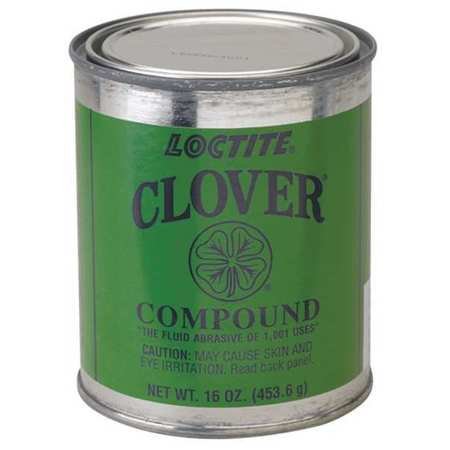
The Clover grease mix provides a 320 grit silicon carbide formulation in a 1 lb can. It is marketed for lapping, honing, and grinding valve seats, gear teeth, and other precision surfaces. This grease-based paste is suitable for applications needing a stable, viscous medium to maintain a steady layer of abrasive during lapping work, particularly where control and coverage are important.
Buying Guide: Key Considerations For Silicon Carbide Lapping Pastes
Silicon carbide pastes come in different formats, grit ranges, and carrier types. When selecting a paste, consider the following:
- Grit progression: For bore lapping and precision finishes, a progression from cutting (coarser grit) to smoothing and polishing (finer grit) yields the best results. Common ranges include 220, 320, and 600 grit as a set.
- Carrier form: Pastes can be water-based or grease-based. Water-based pastes are easy to clean but may require dilution or reapplication care; grease-based compounds stay in place longer and can be better for controlled application on vertical or curved surfaces.
- Carrier viscosity and heat: Softer or higher-viscosity carriers can reduce heat buildup and improve control on delicate materials. Consider low-viscosity options for intricate surfaces and high-viscosity for heavy stock removal.
- Material compatibility: Silicon carbide is widely used for metals, glass, ceramics, and composites. Verify compatibility with the specific substrate and the intended finish (matte vs. mirror).
- Tooling and technique: Whether using hand application, a buffing wheel, or a strop, ensure you follow safe grinding practices. Use appropriate PPE and work in a clean environment to reduce contamination and scratches.
- Package contents: Some kits include extra items such as gloves or multi-grit sets, which can add value for a full lapping workflow.
Perspective Considerations
For firearms-related bore lapping, choosing grits that balance material removal with surface smoothness is critical to achieving proper fit without over-reaming. In jewelry or precision optics, ultra-fine grits and diamond-based alternatives may be preferred to avoid micro-scratches. When lapping large metal surfaces, grease-based carriers can help maintain consistent coverage and reduce heat generation, while water-based formulas can simplify cleanup. Always follow manufacturer guidelines for grit sequences and surface preparation to optimize results.