Best Second Hand Plasma Cutter Guide for DIY and Workshops
Choosing a plasma cutter for DIY projects, automotive work, or small fabrication can be challenging, especially when reviewing models advertised for home use. This guide highlights five well-regarded plasma cutters with dual voltage capability, practical features, and reliable performance. Each section provides a concise overview, key specifications, and what makes the unit suitable for beginners and hobbyists seeking a balance of cost and capability. Read on to compare options and identify which model best fits your workshop needs.
| Product | Brand | Voltage | Cutting Capacity | Notable Features |
|---|---|---|---|---|
| ARCCAPTAIN Plasma Cutter, [LED Display] 50A | ARCCAPTAIN | 110/220V | 1/2″ (12 mm) max | LED display, 2T/4T, post-flow control |
| bestarc Plasma Cutter, 50A | bestarc | 110/220V | 1/2″ (12 mm) max | Pilot Arc, Air Sensor, dual voltage |
| 50A Plasma Cutter with LED Display, S7 | S7 | 110/220V | 1/2″ (12 mm) max | Bright LED screen, smart cooling, easy diagnostics |
| Reboot 60A Plasma Cutter, RBC6000D | Reboot | 120/240V | 1/2″ (12 mm) @120V, 5/8″ (16 mm) @240V | UL-listed portability, beginner-friendly, PSI guidance |
| ARCCAPTAIN iControl CUT55 Pro | ARCCAPTAIN | 120/240V | 3/4″ (19 mm) max | APP control, 2T/4T, large LED display |
Note: All prices and availability can vary. For best results, ensure your air supply is adequate and matches each unit’s recommended PSI and CFM values. The table above highlights common capabilities to help you compare quickly.
ARCCAPTAIN Plasma Cutter, LED Display, 50A

The ARCCAPTAIN 50A model offers dual voltage 110/220V operation with an IGBT inverter and a maximum clean cut of 1/2″ on steel, aluminum, and copper. It includes a large LED display for real-time parameter viewing, post-flow cooling (5–15 seconds), and 2T/4T modes for easier handling while cutting or when starting. This unit is designed for beginners and DIY enthusiasts who want straightforward setup and reliable performance with minimal torch wear when used with proper air pressure (compressor sold separately).
bestarc Plasma Cutter, 50A with Pilot Arc
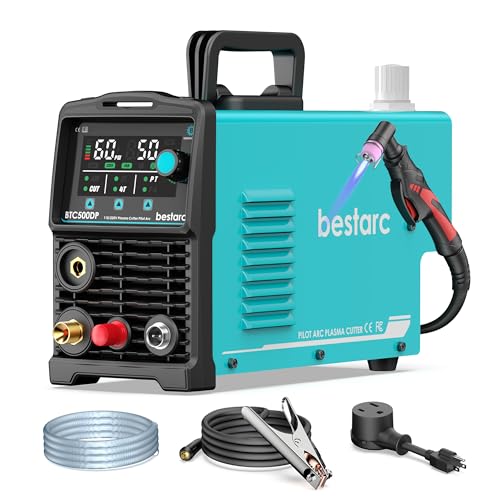
bestarc’s 50A plasma cutter emphasizes dual voltage readiness and a pilot arc function that enables starting arcs on rusted or painted surfaces without touching the workpiece. It includes an air sensor to monitor operating conditions and supports 1/2″ clean cuts up to 3/4″ max with appropriate air pressure. The unit is suited for hobbyists who frequently cut varying metal types and want a tool that handles dirty surfaces well while minimizing consumable wear.
50A Plasma Cutter with LED Display, S7

The S7 50A model prioritizes user-friendly diagnostics via a bright LED display that shows voltage and current in real time. It supports dual voltage operation and offers a straightforward cooling cycle through adjustable post-flow times (5–15 seconds). This design helps extend consumable life and reduces the chance of overheating during extended cuts, making it a practical option for home workshops and DIY projects where visibility and reliability matter.
Reboot 60A Plasma Cutter, RBC6000D
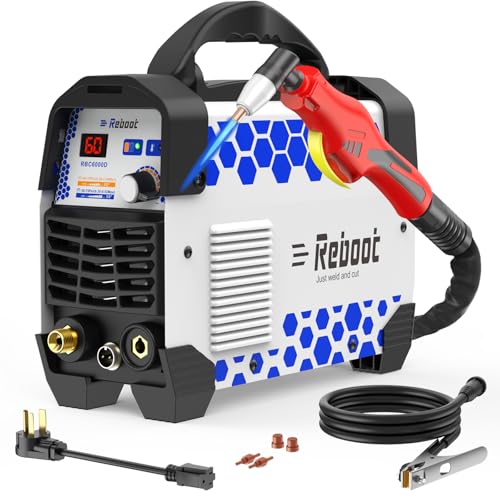
The RBC6000D is a well-balanced option for automotive repairs and metal fabrication, offering dual voltage capability (120V/240V) and a wide cutting thickness range. Weighing under 9 pounds, it emphasizes portability without sacrificing power—capable of 1/2″ clean cuts at 120V and up to 5/8″ at 240V. It is designed to be beginner-friendly with intuitive controls, which helps first-time users achieve consistent results in DIY projects and small upgrades around the home shop.
ARCCAPTAIN iControl CUT55 Pro Plasma Cutter

The CUT55 Pro offers an app-controlled interface for parameter adjustments and monitoring from up to 10 meters away, alongside a large LED display and non-touch pilot arc. With a maximum clean cut of 3/4″ and dual voltage support (120/240V), this model targets users who want modern connectivity, enhanced control, and robust cutting performance. It is suitable for beginners who appreciate digital tweaks and for hobbyists who like to optimize settings via mobile control while working on metal fabrication projects.
Buying Guide: Key Purchase Considerations
When selecting a plasma cutter, buyers should balance power, usability, and compatibility with their projects. Consider these perspectives:
- Voltage and amperage range: Dual voltage (110/220V) models provide flexibility for home garages and professional shops. Check the maximum cutting thickness and ensure it aligns with your typical materials.
- Pilot arc vs non-touch arc: Pilot arc helps start cuts on rusty or painted surfaces but may consume more consumables. Non-touch/pilot arc variants can extend torch life if you work with challenging surfaces.
- Air requirements: Most cutters require a dedicated air compressor. Verify the required PSI and CFM. An in-built regulator can simplify setup, but verify external compressor needs as well.
- Display and diagnostics: LED displays and built-in error codes speed up setup and troubleshooting. For beginners, clear feedback reduces downtime.
- Portability: Weight and handle design matter if you move the unit between jobs. Lighter models are easier to transport but may sacrifice some stability.
- Accessories and consumables: Ensure compatible torches, tips, and electrodes are readily available. Some models include regulator accessories; others require separate purchases.
- Smart features: App control and 2T/4T modes can improve usability, especially for newcomers handling long cuts or intricate patterns.
- Brand support and warranty: A reliable warranty and accessible customer support can be decisive when encountering issues in the workshop.
In selecting among these options, consider your typical materials (steel, aluminum, copper), your working environment (dusty shop, clean garage), and how often you cut with thicker sections. For beginners focusing on DIY projects, models with LED displays, post-flow cooling, and easy setup tend to offer the most immediate value. For more experienced hobbyists handling dirty or rusted surfaces, pilot arc functionality and robust dual-voltage performance can save time and material.