Best Seamless Pipe Carbon Steel for Industrial Use
When selecting seamless pipe carbon steel for industrial or structural applications, you want reliable, consistent performance under load, pressure, and temperature changes. This guide highlights five top-rated options and explains how to match them to your project needs. Each product emphasizes seamless construction, strength, and durability essential for heavy-duty use.
| Product | Brand | OD / ID | Length / Size | Material Notes |
|---|---|---|---|---|
| 22mm OD 4140 Seamless Steel Pipe | NPASDHOIW | 22mm OD / ID 10mm | 10 cm | High-strength 4140 alloy steel, seamless construction |
| Wall DOM Steel Tube 1.25″ OD | Otoolling | 1.25″ OD / 1″ ID | 10″ length | Seamless mild steel, weldable, anti-rust coating |
| MAHIE 30mm Hydraulic Alloy Tube | MAHIE | OD 30mm / ID 25mm | 100mm long | High carbon steel, seamless, explosion-proof potential |
| PRIM PIPEWORKS Black Satin Pipe | PRIM PIPEWORKS | 3/4 in nominal | 14 in length | ASME A53, strong and decorative finish |
| Carbon Steel Pipe Nipple, 4″ x Close | Generic | 4″ NPT ends | Close | Schedule 40, threaded, heavy-duty |
22mm OD Seamless Steel Pipe From NPASDHOIW

The 22mm OD seamless pipe uses high-strength 4140 alloy steel, designed for demanding industrial use. Tight tolerances ensure consistent dimensions, promoting reliable performance under load. The seamless construction eliminates weak points typical of welded pipes, supporting durability in high-pressure environments and extended service life.
Otoolling Wall DOM Steel Tube, 1.25″ OD
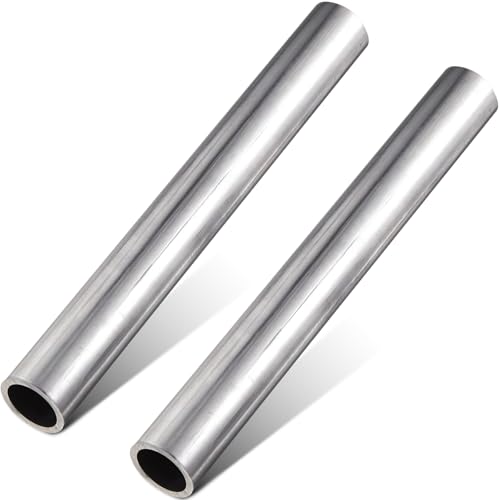
This pair of DOM steel tubes is engineered as seamless mild steel with a 1.25″ outer diameter and 1″ inner bore, offering good weldability and toughness. The 1/8″ (approx. 3.5 mm) wall thickness adds rigidity, making the tubes suitable for industrial manufacturing, shipbuilding, and DIY projects that require sturdy frame members with reliable performance.
MAHIE Hydraulic Alloy 30mm Steel Tubes

MAHIE offers a 30mm hydraulic alloy seamless tube with an OD of 30mm and ID of 25mm. While marketed for multiple uses, the steel type and seamless design support high-pressure and high-stress applications, including hydraulic and structural contexts. Its construction emphasizes reliable dimensions and the strength typical of alloyed steels used in industrial settings.
PRIM PIPEWORKS Black Satin Pipe, 3/4in x 14in

These black satin pipes balance aesthetics with structural integrity. Engineered to ASME A53 standards, they provide high tensile strength for durable, safe installations. The finish supports corrosion resistance and looks suitable for home decor projects or visible structural applications, acting as both functional pipe and design element in interiors.
Carbon Steel Pipe Nipple, Schedule 40
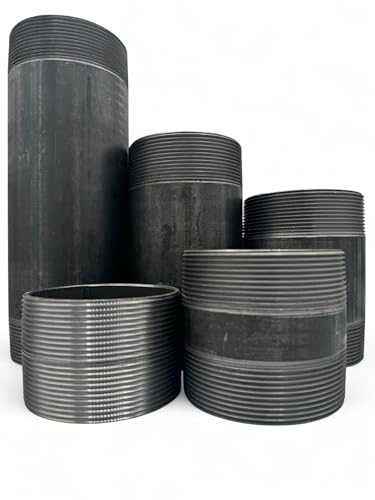
Heavy-duty carbon steel nipple fittings with NPT threads on both ends meet ASTM A53 standards. The precision threaded connections ensure a leak-proof seal when paired with compatible fittings, valves, and gauges. These schedule 40 nipples are designed for long-lasting service in industrial plumbing and fluid transfer setups, delivering dependable performance in pipelines and equipment.
Buying Guide: Key Considerations for Seamless Pipe Carbon Steel
- Material and alloy selection: Carbon steel pipes range from mild to alloy variants. Higher-strength alloys (like 4140) offer greater toughness and load-bearing capacity but may come at higher cost and harder machinability. Choose based on your stress, temperature, and corrosion exposure.
- Wall thickness and outer diameter: Thicker walls enhance pressure resistance and stiffness, while OD/ID measurements determine fit with fittings, clamps, or welds. Verify tolerances specified by the supplier to ensure compatibility with your design.
- Seamless vs. welded: Seamless pipes eliminate potential weak points at seams, improving uniform strength under pressure and fatigue loads. This is particularly important for critical hydraulic, pneumatic, and structural roles.
- Finish and corrosion resistance: Finishes (e.g., black satin) can provide corrosion resistance, aesthetic appeal, and reduced surface wear. For outdoor or chemical environments, select finishes aligned with exposure conditions.
- Standards and certifications: Look for pipes meeting ASTM/ASME standards (A53, Schedule 40, etc.). Certifications indicate consistent wall thickness, dimensional tolerances, and quality control.
- Compatibility with fittings and accessories: When selecting nipples, adapters, or fittings, ensure thread standards (NPT, BSP, etc.) and dimensions align with your system’s connections.
- Application environment: Consider exposure to temperature, humidity, and chemicals. Alloy steels may excel under high heat or heavy loads, while mild steels offer easier fabrication for DIY or decorative projects.
- Machinability and weldability: Some alloys are easier to machine or weld. If your project requires cutting, grinding, or welding, verify compatibility with your processing capabilities or supplier recommendations.
- Price vs. performance: While not mentioning prices, evaluate the trade-offs between alloy content, strength, and finish to select the most cost-effective option for the intended service life.