Best Rubber Tire Stock Tanks for Leaks and Testing
When checking tires, tubes, or TPMS components, a sturdy stock tank is essential. The right rubber tire stock tank or heavy-duty plastic testing tub helps you spot leaks quickly, dunk tires safely, and diagnose issues before a repair. Below are five top options that balance durability, capacity, and practical features for home garages and small shops.
The following table summarizes the selected products, highlighting their key attributes to help you compare at a glance.
| Product | Brand | Approx. Size | Primary Use |
|---|---|---|---|
| Lisle 19822 Tire/Tube Test Tank | Lisle | Medium | Testing tubes and tires; reinforcement ribs |
| IOLE Tire and Tube Leak Test Tank 37 Inch | Iole | 37″ x 21″ x 16″ | Leak detection for tires and inner tubes |
| 642way Tire and Tube Test Tank 37″ x 21″ x 16″ | 642way | Large | Leak spotting; durable LLDPE tank |
| LUMAX LX-1640 Tire and Tube Test Tank | LUMAX | 31″ x 12″ x 12″ | Leak spotting; reinforced ribs |
| 642way Tire/Tube Test Tank 31″ x 12″ x 12″ | 642way | Small | Home use; spot leaks in tires and tubes |
Lisle 19822 Tire/Tube Test Tank
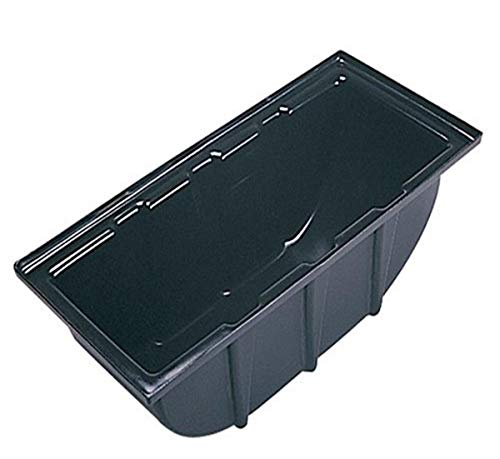
The Lisle 19822 is a durable plastic tank designed for testing tubes and tires. It features reinforcement ribs to provide extra support and stability. The tank is suitable for passenger tires up to wide-oval sizes and light-duty truck tires, enabling reliable leak detection and inspection in a compact footprint. This model emphasizes durability and practical handling, making it a versatile choice for home garages and professional shops that require straightforward leak testing capabilities.
IOLE Tire and Tube Leak Test Tank 37 Inch
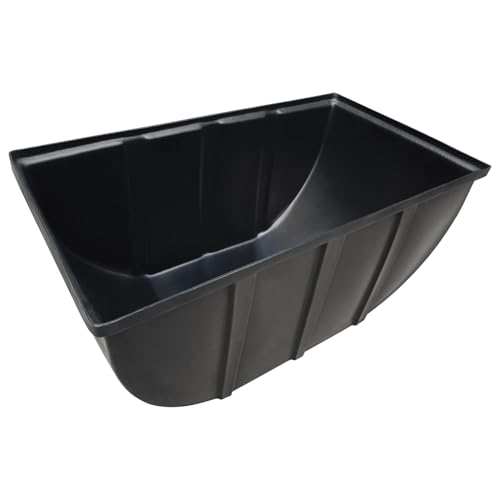
IOLE’s 37-inch leak test tank provides a substantial working volume for submerging tires and inner tubes. Its jet-black LLDPE construction helps bubbles contrast clearly for quick leak identification. The design prioritizes industrial-grade durability with reinforced ribs to resist warping over years of use. The tank dimensions and weight balance portability with capacity, making it suitable for both workshop settings and larger home garages that test multiple tires or assemblies in succession.
642way Tire and Tube Test Tank 37” x 21” x 16”

This large 37” x 21” x 16” tank from 642way is engineered for heavy-duty testing of tires and tubes. The black plastic tank makes leaks easy to spot during dunk tests, and its durable construction is designed for home use as well as small shop environments. The sizeable dimensions provide ample space for larger tires, while the overall build prioritizes longevity and straightforward maintenance.
642way Tire/Tube Test Tank 31″ x 12″ x 12″

The 31″ x 12″ x 12″ variant from 642way offers a compact option for smaller spaces or occasional testing. Its sturdy LLDPE material supports repeated dunking and leak spotting with reliable performance. This model is well-suited for hobbyists or technicians who need a portable yet capable tank without occupying a large footprint.
LUMAX LX-1640 Black 31″ x 12″ x 12″ Tank

The LUMAX LX-1640 uses rugged polyethylene for long-lasting use and resistance to rust, dents, and mild chemicals. It incorporates reinforced ribs for extra support and a lip that doubles as a splash guard and carrying handle. This model emphasizes durability and ease of handling, making it a solid choice for regular testing of tires and inner tubes in busy workshop environments.
Buying Guide: Key Considerations For Choosing A Tire Test Tank
- Size and capacity: Consider the largest tire you plan to test and choose a tank with ample interior space. Larger models accommodate trucks and wide tires, while smaller tanks suit passenger tires and tubes.
- Material durability: Most tanks use heavy-duty plastic (LLDPE or polyethylene). Look for reinforced ribs and thick walls to prevent warping and ensure long life under regular submersion.
- Leak-detection performance: Tanks with dark interiors or contrasting water visuals help identify leaks quickly. Clear water and bubble visibility can speed up diagnostics.
- Portability and handling: If you move the tank between bays or garages, consider weight, handles, and a manageable footprint.
- Maintenance: Sloped bottoms, drain options, and simple cleaning reduce downtime between tests. Avoid tanks with hard-to-clean seams.
- Intended use: If you test TPMS components or valve stems, ensure the tank accommodates those tasks or use accessories that fit within the tank’s dimensions.
Choosing the right tire test tank depends on space, typical tire sizes, and how frequently you perform leak testing. These five options cover a range of sizes and durability profiles to suit both hobbyists and professional settings, enabling accurate leak detection and efficient workflow.