Best RO Membrane Solutions for Home Water Systems
Reverse osmosis (RO) membranes are essential for producing clean drinking water in residential setups. This guide highlights top RO membrane options and accessories that align with common home filtration needs, from compact 50 GPD membranes to higher-capacity 150 GPD models. Each product emphasizes reliable filtration, compatibility with standard housings, and straightforward installation. The selections below are organized to help you compare membrane performance, installation ease, and maintenance implications for a home RO system.
| Product | Key Benefit |
|---|---|
| Membrane Solutions 50 GPD RO Membrane | High purity with 97% salt rejection; standard 11.75″x1.75″ size |
| Membrane Solutions 1812/2012 Housing Kit | Complete housing kit for easy retrofit with multiple GPD options |
| Huining 75GPD RO Membrane Housing Kit | Universal fit for many residential RO setups; 0.0001um filtration |
| Watts Premier RO Pure 50 GPD Membrane | Push-button replacement with NSF/ANSI 42 chlorine treatment compatibility |
| Geekpure 150 GPD RO Membrane | High daily production with strong contaminant rejection; 11.75″x1.75″ standard size |
Each product below is chosen for relevance to residential RO membrane manufacturing and replacement needs, including compatibility with common housings and ease of installation. Read through to compare how they address filtration performance, longevity, and system integration.
Membrane Solutions 50 GPD RO Membrane

The Membrane Solutions 50 GPD RO Membrane is a standard 11.75 x 1.75-inch element designed to fit most 1812/2012 housings with a 2-inch ID. It uses 100% food-grade Thin Film Composite (TFC) material and delivers high permeate flow. The membrane claims a 97% stabilized salt rejection and aggressive contaminant reduction down to 0.0001 microns. This model emphasizes universal compatibility, making it a practical replacement option for many under-sink RO systems.
Membrane Solutions 1812/2012 Housing Kit
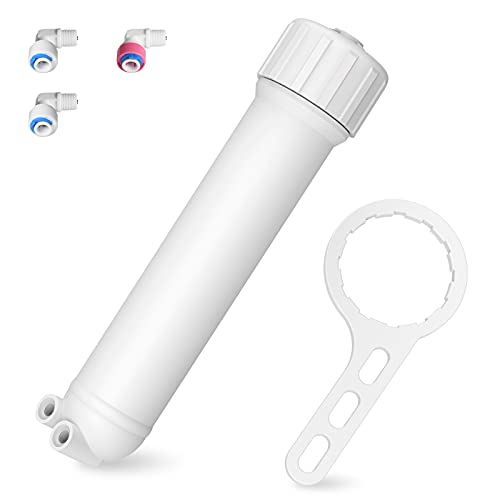
This housing kit supports a broad range of RO membranes (24GPD–150GPD) and fits 1812/2012 canisters. It includes fittings, check valve, wrench, and elbow components for a leak-proof setup. The design emphasizes a robust, thicker unibody and double-seal end caps to minimize water bypass and leakage. It’s suitable for replacing aging housings or building DIY RO systems from the ground up, including compatibility with known brands like APEC, GE, and Dow FilmTec.
Huining Reverse Osmosis Membrane Housing Kit (75GPD)
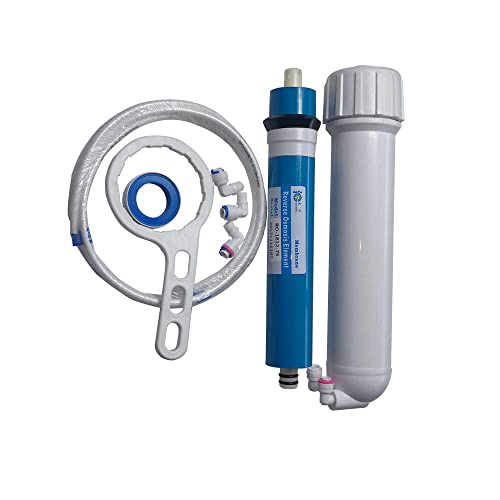
The HUINING kit includes a 75 GPD RO membrane with a 11.75 x 1.75-inch size, compatible with most residential RO systems rated up to 75 GPD. It uses 0.0001 µm filtration and includes a 1/4-inch quick-connect for quick, tool-free installation. The universal housing size (2.5-inch OD) supports most 1812/2012 membranes. It’s designed for straightforward upgrades or replacements to restore efficient filtration in home filtration rigs.
Watts Premier 50 GPD RO Membrane
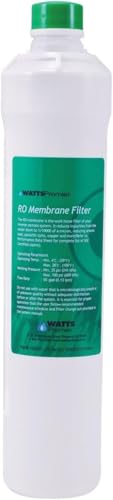
The Watts Premier 50 GPD RO Membrane is designed for Watts RO Pure and Zero/Pure Plus systems. It features a push-button release for quick membrane replacement without shutting off the water supply. The product is NSF/ANSI 42 compatible for chlorine reduction and the seal design aims at reliable performance with minimal bypass. It is intended for consumers seeking a convenient upgrade path within compatible Watts filtration platforms.
Geekpure 150 GPD RO Membrane

The 150 GPD membrane by Geekpure targets higher daily production while maintaining strong contaminant rejection (0.0001 micron). It uses a polyamide film composite material and is sized 11.75″ x 1.75″, designed to fit 1812/2012 housings with a 2″ inner diameter. This membrane is suitable for households with higher water usage or for systems that require a rapid supply of filtered water.
Membrane Solutions 150 GPD RO Membrane with Housing

This package combines a 150 GPD RO membrane with a 12″ x 2.0″ housing, plus basic fittings and a wrench for a DIY installation. It’s designed for users building a higher-capacity RO system or upgrading an existing one to achieve faster water production. The membrane delivers up to 97% total dissolved solids removal, aligning with NSF/ANSI 58 certifications, and is compatible with multiple standard housings and configurations.
Buying Guide
Key considerations when selecting RO membranes for a home system include compatibility, certification, membrane size, and production capacity. In practical terms, you should verify:
- Housing compatibility: Most residential RO membranes use standard 11.75″ x 1.75″ elements and fit 1812/2012 housings with a 2″ inner diameter. Ensure the membrane size matches your housing.
- GPD and water demand: Choose 50 GPD for typical daily family use, or 75–150 GPD if your household has higher water consumption or you want faster refill rates.
- Filtration performance: Look for high salt rejection and 0.0001-micron nominal filtration to reduce heavy metals, nitrates, and organic contaminants.
- Certifications: NSF/ANSI 58 indicates material safety and performance claims for many RO membranes, and NSF/ANSI 42 covers chlorine reduction in some products. Certifications suggest reliability and safety.
- Installation ease: DIY kits with fittings, wrenches, and quick-connects save time and reduce the risk of leaks. Push-button or tool-free replacements can improve user experience.
- Maintenance and longevity: Compare replacement intervals, membrane life, and the availability of compatible housings and fittings to minimize downtime.
- System integration: If you already own a specific brand (APPLIED MEMBRANES, Watts, Membrane Solutions), selecting compatible membranes and housings can simplify maintenance and ensure consistent performance.
Installation and Maintenance Perspectives
From a practical standpoint, installation involves matching the membrane to the housing size, ensuring o-rings seal properly, and confirming tight connections to prevent leaks. Regular maintenance includes periodic sanitization, monitoring TDS levels to detect membrane fouling, and replacing membranes when rejection declines or production slows. Choosing a membrane with universal compatibility and a complete housing kit can reduce downtime and simplify troubleshooting for DIY installers.
Cost-Effectiveness and Longevity
While price varies, selecting membranes with high rejection rates and proven certifications can reduce long-term maintenance costs by extending replacement intervals and maintaining filtration quality. It is often more economical to purchase a complete housing kit with a membrane that matches your system’s GPD rating, rather than buying components separately after initial installation. Consider the total system needs, including storage capacity and daily water usage, to optimize cost per gallon over the system’s life.
Material and Safety Considerations
Most RO membranes use thin-film composite or polyamide film materials designed for safe drinking water. Certifications indicate compliance with safety standards and filtration performance. When replacing membranes, ensure materials are compatible with your local water chemistry and that fittings and seals are designed for potable water systems to prevent contamination or leaks.
Note: This article highlights product options and general considerations for RO membrane components and housings. Always follow manufacturer installation instructions and local regulations when setting up or maintaining a home RO filtration system.