Best Raised Rubber Floor Seals for Durable Gym and Garage Protection
Protect and enhance rubber flooring in home gyms, workshops, and garages with reliable sealants, strips, and thresholds. This guide highlights five top products designed to seal seams, protect edges, and keep floors clean and dry. Each option emphasizes durability, ease of installation, and compatibility with common rubber flooring materials. Explore practical choices for moisture resistance, temperature resilience, and long-term performance across varied environments.
| Product | Primary Benefit | Ideal Use |
|---|---|---|
| IncStores Rubber Floor Finish & Sealer | Glossy protective layer | Gym mats, rubber rolls, tiles |
| Salimhib Solid Rubber Strips | Durable anti-slip strips | Flooring, seals, DIY gaskets |
| Papillon Garage Door Bottom Seal | Weatherproof threshold seal | Garage doors, thresholds |
| LSGCQ Neoprene Self-Adhesive Strips | Self-adhesive durability | DIY gaskets, crafts, flooring |
| M-D Building Products Door Seal | Premium bottom seal | Garage doors, floor seal |
When choosing a raised rubber floor seal, consider material resilience, temperature range, installation method, and the specific environment. The following sections present five well-rounded options with features aligned to standard gym, workshop, and garage needs. Each product offers a practical approach to sealing gaps, reducing moisture intrusion, and extending floor life, while remaining straightforward to install and maintain.
IncStores Rubber Floor Finish & Sealer

Designed to seal and finish rubber flooring, this product uses a zinc-free acrylic compound to provide a glossy layer that enhances appearance while maintaining grip and durability. It is formulated to seal pores and seams, helping virgin rubber floors better withstand weight, water, and wear. The result is a wet, dark, glossy finish that complements rubber gym mats, tiles, and rolls, without compromising the floor’s natural safety properties. The low-odor formula makes it suitable for home gyms and commercial facilities alike, reducing the need for downtime during application.
Key considerations include the finish’s compatibility with wet surfaces and its impact on traction. While the glossy look elevates aesthetics, it is important to recheck grip levels after curing, especially on high-traffic workout areas. The product’s zinc-free composition can be a benefit for facilities seeking a more neutral chemical profile. It offers an added layer of protection to extend the life of rubber flooring under equipment, weights, and frequent activity. For best results, follow the manufacturer’s curing times and ventilation guidelines.
Salimhib Solid Rubber Strips
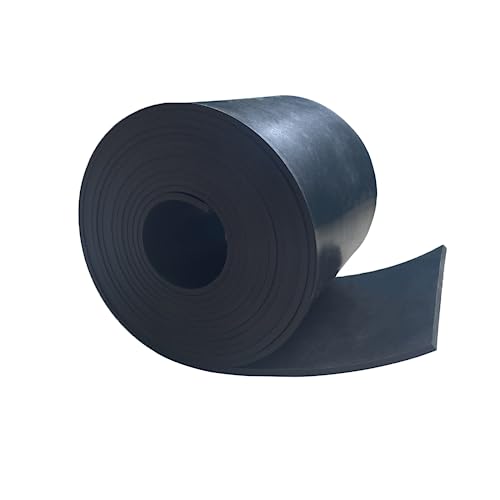
These solid rubber strips measure 1/8 inch thick by 4 inches wide and 10 feet long, featuring an adhesive backing for easy installation. The material is described as durable and suitable for anti-slip pads, seals, gaskets, and DIY projects. Their wide backing supports reliable adhesion across varied surfaces, while the solid rubber composition offers resistance to temperature fluctuations and humidity, maintaining performance in different environments. The strips can be cut to fit irregular gaps, making them versatile for gym flooring edges or workshop thresholds.
Use cases include sealing seams between mats or along baseboards where moisture or vibration could cause wear. Because the backing is adhesive, proper surface prep is essential to maximize bond strength. The product’s resilience under varying conditions can help reduce edge wear around heavy equipment and reduce tripping hazards near seams. For best results, clean and dry surfaces before applying, and press firmly to ensure a strong bond after full cure.
Papillon Garage Door Bottom Seal Strip
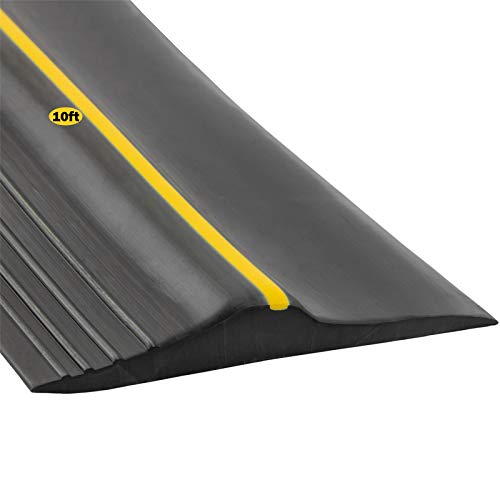
This EPDM rubber threshold seal provides a complete weather seal for standard garage doors. It creates a tight 1/2 inch tall barrier to block water, wind-driven rain, snow, and leaves, contributing to a drier, quieter, and more energy-efficient space. The EPDM material withstands extreme temperatures from -40°F to 284°F and is designed to resist cracking, drying, or shifting when properly installed. The product is available in lengths up to 10 feet and can be cut to fit typical garage thresholds, making it a practical choice for residential and light commercial settings.
Installation flexibility is enhanced by the option to customize length and the non-adhesive design, allowing for alternative mounting methods if preferred. The product’s emphasis on weatherproofing makes it well-suited for garages housing rubber flooring near exterior doors or high-moisture areas. Consider door clearance and any existing threshold components when planning installation to ensure a snug fit and effective sealing performance.
LSGCQ Neoprene Self Adhesive Strips

These neoprene strips come with a self-adhesive backing, offering a convenient DIY solution for gaskets, pads, seals, and small flooring projects. The material is described as high-quality solid rubber with tear resistance and smooth dual-sided finish. The adhesive backing simplifies application on various surfaces and emphasizes durability under weather exposure, flexing under load, and resistance to wear. The strips are suited for edging on rubber mats, gasketing around equipment, or creating small seals in workshops and garages.
When applying self-adhesive rubber strips, surface preparation is crucial for a strong bond. Ensure surfaces are clean, dry, and free of dust or oils. Temperature can influence adhesive performance, so choose installation timing accordingly. While the strips offer flexibility and ease of use, check periodically for adhesive wear, especially in high-traffic areas or with heavy equipment vibration. These strips are a practical option for quick, economical upgrades to rubber floor boundaries.
M-D Building Products Door Seal

This product is described as a premium rubber bottom seal designed to create a robust barrier between the bottom of a door and the garage floor. The unit measures 16 feet in length with a width of 2 inches and a height of 1 inch. It focuses on sealing against drafts, moisture, and debris intrusion while protecting interior flooring. The long length allows for multiple cut-to-fit installations, making it a versatile option for longer garage door thresholds or repeated use along extended door openings.
Consider compatibility with door types, track systems, and existing weatherstripping when selecting this seal. Proper installation may involve cleaning the threshold, ensuring a flush contact with the surface, and trimming to the correct length. This seal is positioned as a durable choice for ongoing protection against moisture and wear around rubber floors near doorways, particularly in garages used for workouts or equipment storage.
Buying Guide: Key Purchase Considerations For Raised Rubber Floor Seals
Material compatibility matters. Rubber, neoprene, and EPDM each offer different levels of flexibility, temperature tolerance, and moisture resistance. Choose a material that aligns with your climate and indoor conditions, especially in garages or workshops with temperature swings.
Seal type and installation method. Adhesive-backed strips and non-adhesive thresholds suit different needs. Adhesives simplify installation but require clean, dry surfaces for best bonding. Non-adhesive seals may need screws or alternative mounting methods, offering stronger long-term stability in high-traffic areas.
Edge protection versus full enclosure. Some products focus on edges and seams (strips and seal edges), while others provide full-threshold protection. Consider whether you need a tight edge seal against water and dust or a broader barrier for doorways and floor transitions.
Temperature and chemical exposure. If the space experiences extreme temperatures, choose materials rated for low or high-temperature tolerance and resistance to humidity, water, and cleaning agents used in gyms or garages.
Durability and maintenance. Look for tear resistance, long-term adhesion, and ease of replacement. Products with robust elastic properties reduce the risk of cracking or shifting under constant use. Maintenance requirements influence long-term cost and downtime during installs.
Application environment. For home gyms, ease of installation and minimal odor may be priorities. In commercial settings, durability and compliance with safety standards gain importance. Assess how the seal affects flooring grip and safety under typical equipment loads.
Budget and availability. Compare estimated installation costs, including materials, tools, and potential need for professional help. Availability of replacement strips or additional lengths can influence long-term planning for expansion or maintenance.