Best Paver Brick Making Machine Options for DIY to Pro Projects
The market for paver brick making machines offers compact, mid‑range, and heavy‑duty options suitable for home projects, small businesses, and municipal work. This guide highlights five notable units that cover manual, semi‑automatic, and electric hydraulic designs. Each product emphasizes durability, ease of use, and capable output for creating solid and hollow bricks, pavers, and blocks. Read on to compare configurations, rely on built‑in vibration and pressure specs, and select a machine that fits your project scale and site conditions.
| Product | Brand | Key Strength | Output Type |
|---|---|---|---|
| Handheld Paver Brick Maker | TECHTONGDA | Compact, portable, vibration-assisted | Solid bricks |
| Cement Block Forming Machine | Kindevieft | High frequency, durable, 212 vibrations/min | Solid/Hollow blocks, bricks |
| Full Semi Automatic Brick Machine | Generic | Plug‑and‑play, high‑volume potential | Bricks and blocks |
| Concrete Block Making Machine | KONGQXIAA | 550W motor, 23KN pressure | Bricks, pavers |
| KUSOLE Cement Block Forming Machine | KUSOLE | Efficient production, easy use | Bricks |
TECHTONGDA Handheld Paver Brick Maker Review

The TECHTONGDA model is a compact brick press designed for small milling and paving projects. It focuses on solid bricks formed in a single operation and includes a vibration motor to rapidly compact mixtures in the mold. The unit accommodates bricks sized at 8.8 by 4.4 by 2.3 inches (225 by 112 by 60 mm), enabling quick production for curbs, edging, and small pavements. Its portability makes it suitable for on‑site work where access to large machinery is limited. The design emphasizes durability while remaining accessible for non‑specialist operators.
Key features include dual‑brick capability per press and a vibration system that enhances density and surface finish. The combination of manual handling with powered compaction supports consistent brick quality across batches. This model is well suited for contractors or hobbyists who need a lightweight, quickly deployable brick making solution for localized paving jobs.
Ideal applications: cement, clay, or concrete solid bricks; small municipal tasks; edging and pathway components. For users prioritizing portability and straightforward operation, this unit provides a practical balance of performance and accessibility.
Kindevieft Cement Block Forming Machine Overview

The Kindevieft cement block forming machine emphasizes durability and high‑frequency compaction. Built with heavy‑duty steel and a powder‑coated finish, it is designed for continuous operation across long production shifts. The 550W vibration motor supports rapid compaction at up to 212 vibrations per minute, delivering 23 kN of pressure to form dense, durable blocks. With a 45‑second cycle, it can produce around 30 bricks per hour, suitable for small construction crews or ongoing paving work.
Operation is described as plug‑and‑play, allowing quick setup with minimal training. Operators add cement, sand, or gravel into the mold, press a switch, and rely on the hydraulic press system to finalize each block. This model is appropriate where a balance of reliability, output, and ease of use matters for road projects, garden paths, or edging components that require repeatable brick geometry.
Considerations: ensure adequate ventilation for vibration operation, verify mold availability for desired brick shapes, and plan for routine maintenance to preserve alignment and press performance over time.
Generic Full Semi Automatic Brick Machine

The Full Semi Automatic Brick Machine from a generic brand targets straightforward operation and moderate to high production. It emphasizes effortless setup with one‑button automation and smart controls designed to reduce manual intervention. The machine is described as ready to use out of the box, with additional customization options and accessories available for expanding style choices and brick types. This makes it a practical option for users who want immediate results with room to upgrade.
Output capabilities are oriented toward higher volume, which supports larger projects such as walls, sheds, or small buildings. Users should assess the available molds to ensure compatibility with desired paver or brick shapes. The platform’s automation aims to reduce operator time, improve consistency, and optimize throughput for busy job sites.
Purchase considerations: verify mold compatibility, ensure local electrical requirements match the machine’s specifications, and plan for routine maintenance and part availability for long‑term use.
KONGQXIAA Concrete Block Making Machine Performance

This concrete block making machine from KONGQXIAA targets commercial‑style output with a compact footprint. It is described as providing durable construction and stable operation in demanding environments. The machine sustains brick production using a 550W motor and 23 kN of pressure, delivering roughly 30 solid or hollow bricks per hour. The combination of a robust electrical motor and hydraulic system supports efficient, repeatable brick creation for paths, walls, and garden features.
Operators can quickly produce bricks by loading cement formulations into the mold and engaging the press. The plug‑and‑play nature helps reduce setup time, while the 45‑second cycle aligns with steady production demands. This model suits contractors and DIY enthusiasts who require reliable machinery for ongoing paving projects and light manufacturing workloads.
Practical tips: confirm mold availability for paver shapes, ensure a stable work surface for consistent vibration, and maintain the hydraulic system to prevent delays or misalignment during longer run sessions.
KUSOLE Cement Block Forming Machine Highlights

The KUSOLE cement block forming machine focuses on sturdy construction and rapid production. Its design features a 550W motor, 212 vibrations per minute, and 23 kN of pressure to form dense blocks in about 45 seconds. Capable of producing up to 30 bricks per hour, it targets home workshops, landscaping projects, and small‑scale production. The plug‑and‑play operation minimizes the need for specialized training, making it accessible to a broad range of users.
Compared with larger industrial lines, this model emphasizes portability and ease of use, which is advantageous for on‑site paving tasks and temporary builds. It supports multiple mold configurations, enabling a variety of brick and paver styles to suit different project aesthetics and dimensions.
Implementation notes: ensure adequate power supply for the motor, source compatible molds for your brick sizes, and perform routine checks on vibration and mold alignment to sustain quality across batches.
KUIOPNET Cement Block Forming Machine Series

The H2 model from KUIOPNET shares the brand’s electric hollow block machine design, featuring a powder‑coated steel frame for corrosion resistance and reliability in tough environments. It implements a 550W motor with 212 vibrations per minute and 23 kN of pressure to deliver solid and hollow brick production at around 30 bricks per hour. The plug‑and‑play approach makes setup intuitive, with a focus on one‑button operation and simple mold changes to switch brick shapes or sizes.
This unit is positioned for contractors and home projects that demand consistent performance with minimal training. It supports durable blocks suitable for garden follies, small walls, and paving features. Maintenance considerations include mold upkeep and timing checks on the vibration system to preserve block density and finish quality.
KUIOPNET H6 Cement Block Forming Machine Overview
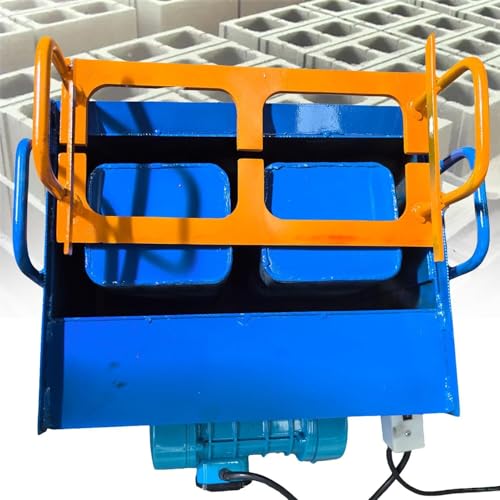
The H6 variant continues the KUIOPNET design philosophy with electric hollow block production and similar performance specs. A 550W vibration motor, 212 vibrations per minute, and 23 kN of pressure drive the cycle count to around 30 bricks per hour with a 45‑second production time per brick. The plug‑and‑play interface remains a cornerstone, simplifying operation for non‑experts while enabling rapid scale‑up for weekend projects or small business tasks.
End‑user considerations include mold compatibility across multiple brick styles, power availability on job sites, and routine inspection of the vibration and hydraulic components to maintain brick uniformity and surface finish across batches.
KUIOPNET H2 Alternative Cement Block Forming Machine
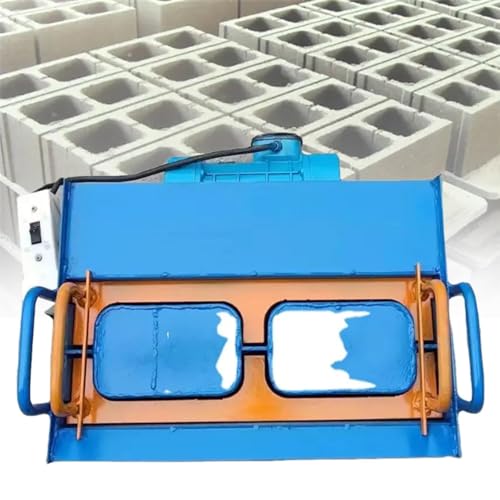
The H2 alternate from KUIOPNET offers similar specifications with emphasis on durable construction and reliable output. The machine is designed to meet the needs of contractors and home workshops requiring consistent brick density and shape accuracy. It uses a 550W motor, 212 vibrations per minute, and 23 kN pressure to produce bricks at approximately 30 per hour, with each brick in about 45 seconds.
From a purchasing perspective, evaluate mold availability and compatibility, ensure the electrical setup matches the machine’s requirements, and consider spare parts access and service support for ongoing operations on site or in small plants.
Buying Guide: Key Purchase Considerations for Paver Brick Making Machines
- Output and brick type: Determine whether you need solid bricks, hollow bricks, or pavers, and check the machine’s cycle time and vibration specs to meet project timelines.
- Power source and emissions: Assess electrical requirements (voltage, phase, safety approvals) and consider units with lower noise and dust if working in urban or residential areas.
- Mobility vs. capacity: Portability favors handheld or compact models, while larger sites benefit from semi‑automatic or fully automatic machines with higher throughput.
- Mold availability and versatility: Verify that the machine can accept multiple mold configurations to switch between brick sizes, paver shapes, and textures as needed.
- Maintenance and parts: Prioritize units with accessible replacement parts and clearly documented maintenance intervals to minimize downtime.
- Safety features: Look for protective housings, emergency stop controls, and stable feet or mounting options to prevent vibrations from shifting the equipment.
- Training and support: Consider suppliers offering manuals, video tutorials, and responsive customer support to expedite setup and troubleshooting.
- Total cost of ownership: Beyond upfront price, include mold costs, electricity, maintenance, and the expected lifespan of the machine in your budgeting.
- Site conditions: Evaluate the workspace—flat ground, drainage, and weather exposure can affect performance and mold alignment during long sessions.
- Compliance: Ensure the model complies with local construction equipment regulations and safety standards relevant to your region.