Best LPG Valves and Fittings for Safe Gas Control
The following article highlights a curated selection of LPG valves and fittings designed for safe, precise gas control in residential, commercial, and industrial settings. Each product includes a quick overview of its features to help buyers compare performance, durability, and compatibility. The selections emphasize needle valves, regulators, and quick-connect fittings suitable for propane and LPG systems.
| Product | Brand | Type | |
|---|---|---|---|
| MENSI 1/4″ Needle Valve | MENSI | Needle Valve | Heavy duty brass, 1/4″ NPT connections, bidirectional flow, fine control, replaceable O-ring |
| MENSI Low Pressure LPG Valve | MENSI | Low Pressure Control Valve | Low working pressure, flame safety features, 3/8″ male flare fitting, bakelite knob |
| ASTAMOTOR Forklift Connector | ASTAMOTOR | Propane Tank Connector | Secure quick disconnect, compatible with Rego 7141F, LPG cylinder connector |
| TIVORTOOK Adjustable Regulator | TIVORTOOK | Propane Regulator | 0–20 PSI, 1/4″ inlet/outlet, versatile for grills, fryers, smokers |
| Yetaha Needle Valve | Yetaha | Needle Valve | 1/4″ NPT, brass, fine flow control, two-way flow, replacement O-ring |
Note: The table above summarizes key aspects for quick comparison. Details, including installation considerations and suitability for specific gas systems, are discussed in each product section below.
MENSI 1/4″ Male NPT X 1/4″ Female NPT Needle Valve

The MENSI needle valve is designed to regulate flow to instrumentation and industrial applications, including oil and gas markets. It supports 1/4″ NPT connections on both ends for versatile integration, and is suitable for long-term, stable control when used with a regulator. The valve allows flow in either direction, and internal O-rings can be replaced if leaks occur, with PTFE tape recommended for sealing on both ends. This rugged brass valve emphasizes durability and precise throttling for LPG systems.
MENSI Low Pressure LPG Propane Gas Fireplace Safety Valve Kit
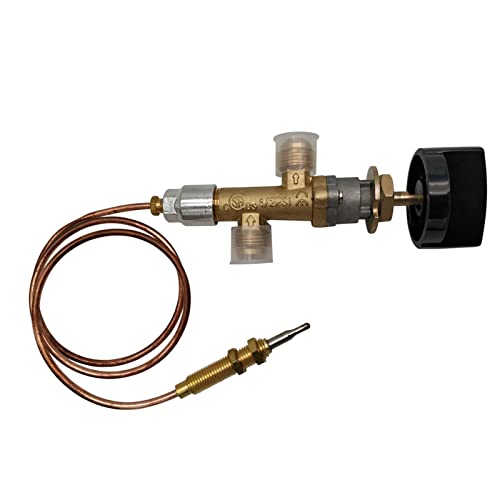
This low-pressure valve kit is designed for propane fireplace and fire pit setups, with a maximum working pressure around 1/2 PSI. It includes a main control valve assembly with 3/8″ male flare threads, a thermocouple section, and a Bakelite knob. The design focuses on safety and reliable, low-pressure control, suitable for residential gas appliance installations. Note that this component is intended to regulate low-pressure propane supply and should be paired with an appropriate regulator when higher flow is required.
ASTAMOTOR Forklift Propane Tank Connector

The forklift connector female fitting ensures a secure and dependable connection between propane system components. It is designed for easy installation and quick disconnect compatibility with Rego Coupler 7141F. This LPG tank connector is intended to enhance safe, efficient operation in mobile or industrial propane setups where reliable coupling and disconnection are required.
TIVORTOOK Adjustable Propane Regulator

The TIVORTOOK regulator provides adjustable propane control from 0 to 20 PSI, with a 3/8″ female flare inlet and outlet. The 5/8″-18 UNF threading and 14.95–16.66 mm diameter specification ensure compatibility with common LP gas equipment. This regulator is suitable for multipurpose propane appliances, including grills, fryers, smokers, and heaters, enabling precise flame control across outdoor and industrial applications. It is designed for reliable performance under varied operating conditions.
Yetaha 2PCS 1/4″ Needle Valve Set
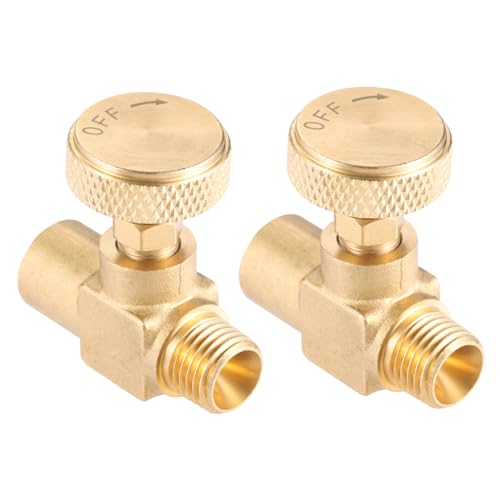
The Yetaha needle valves provide heavy-duty brass construction with 1/4″ NPT connections and bidirectional flow. These valves enable fine flow control for propane and LPG systems and are marketed as robust replacements for instrumentation and industrial applications. The two-way flow design allows operation from either end, and the O-ring inside can be replaced if leaks occur. For best long-term stability, pairing with a regulator is recommended to maintain steady performance.
Solenoid Valve, 12V LPG/NG 1/4″ NPT
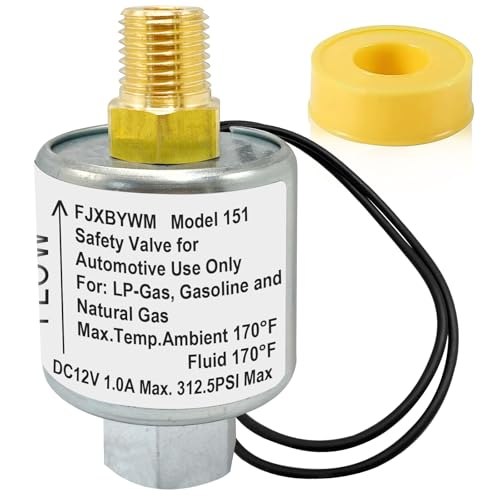
Note: This solenoid valve option is included to illustrate complementary gas-control devices within LPG systems. It features a 12V coil, 1/4″ NPT inlet/outlet, and an automatic shut-off function when power is interrupted, enhancing safety for mobile or stationary LPG setups. It is commonly used in RVs, generators, and other applications requiring automatic fuel shut-off and reliable operation in variable environments.
Buying Guide: Key Considerations For LPG Valves And Fittings
Compatability and Connections
Match valve and regulator types to your system’s fittings (NPT, flare, QCC1/Type1). Ensure thread sizes and threading standards align with your tanks, appliances, and hoses. Consider whether 1/4″, 3/8″, or larger diameters are needed for your flow requirements.
Pressure and Flow Range
Evaluate the operating pressure range of each valve or regulator. Low-pressure components are common for fireplaces and grills, while high-flow valves may be required for industrial burners or heating systems. Always pair pressure-regulating devices with proper regulators to avoid unsafe pressures.
Safety Features
Look for features such as automatic shut-off on power loss (solenoids), flame safety controls, and robust materials (brass or stainless steel) that resist corrosion. Quick-disconnect connectors and secure fittings reduce leak risks in mobile or tight-installation environments.
Durability and Materials
Brass, stainless steel, and Bakelite handles offer durability under heat and pressure. For outdoor or high-usage environments, select components rated for intended temperature ranges and exposure conditions.
Maintenance And Replacements
Valves with replaceable O-rings and accessible seals simplify maintenance. Keep spare O-rings and PTFE tape on hand, and follow manufacturer guidelines for inspection intervals and replacement timelines to maintain safety and performance.
Applications And Integration
Consider the application: residential fireplaces, grills, forklifts, or industrial gas lines each demand different valve types and safety features. Ensure chosen components integrate smoothly with existing gas lines, regulators, and control systems to maintain safe operation.