Best Insulated Roof Panel Systems for Snow & Energy Efficiency
This article highlights top insulated roof panel systems and related components that improve energy efficiency, reduce heat loss, and help prevent ice dams. Each product section presents key features, installation notes, and practical use cases to aid informed decisions for American homeowners and contractors.
| Product | Brand | Key Benefit |
|---|---|---|
| Duco Foam Closure Strips | Duco Plastics & Supply | Weatherproof seals for metal roofs |
| Shimeyao Roofing Insulation Barbed Plates | Shimeyao | Secure insulation and waterproof layers |
| H&G Lifestyles 24ft Snow Melting System | H&G lifestyles | Comprehensive snow/ice management |
| H&G Lifestyles 8ft Snow Melting System | H&G lifestyles | Compact, versatile melt solution |
| H&G Lifestyles Gutter Heaters (Various) | H&G lifestyles | Gutter/valley de-icing protection |
Summary: This selection focuses on components that enhance roof insulation, seal out moisture and drafts, and provide active snow and ice melting solutions. Each product page offers features that address energy efficiency, installation practicality, durability, and compatibility with common American roofing materials.
Duco USA-Made R Panel Foam Closure Strips

Duco’s 20-pack of 3ft black corrugated foam closure strips are designed for metal roof insulation and sealing. They withstand heat, UV, and moisture, creating a weatherproof barrier that helps seals out moisture, dust, and light leaks under metal panels. The bulk pack covers full coverage for R panel roofs and is lightweight for easy installation. These closure strips are ideal for new installations or retrofits seeking durable insulation and draft prevention on metal roof systems.
Shimeyao Roofing Insulation Barbed Plates (3 Inch, 100 Pcs)

Shimeyao’s galvanized insulation barbed plates are designed for attachment to steel and wood roof decks. The 3-inch plates feature reinforcing ribs and corrosion-resistant alloy construction, delivering stable wind resistance and secure fastening for insulation and waterproof layers. A 100-pack affords ample quantity for larger roof projects, distributing fastener load across roof panels while maintaining a tight seal against energy loss.
H&G Lifestyles 24ft Electric Gutter Heater

This 24-foot gutter heater system employs aluminum heating panels with self-regulating 8W/ft heating cables to melt snow and prevent ice dams. Built for gutters and roof valleys, the system ensures faster and more even snow melting, reducing water backup risk. The self-regulating design adapts to ambient temperatures, and internal insulation aids heat transfer for efficient performance in cold climates.
H&G Lifestyles 24ft Snow Melting System

This high-efficiency system includes 12 aluminum heating panels totaling 24 feet, designed to melt snow quickly and prevent ice dams across varied roof types. The 8W/ft self-regulating heat cable adjusts output with temperature, delivering reliable heat transfer through aluminum panels and insulation to keep surfaces safer and drier during winter weather. The design emphasizes even heat distribution and rapid snow melt in harsher climates.
H&G Lifestyles 20ft Electric Gutter Heater Kit
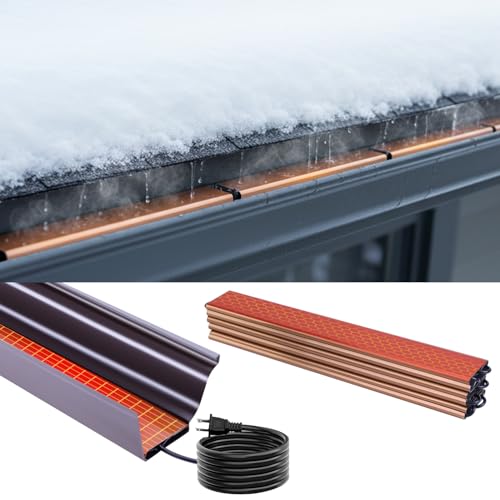
This 20-foot gutter heater kit provides an extended solution for winter protection in gutters and roof valleys. It uses aluminum heating panels with self-regulating heating cables to distribute heat efficiently, offering broader coverage than traditional heat cables. The kit is designed for ease of installation and consistent performance in preventing ice dams and moisture buildup in gables and eaves.
Buying Guide: Insulated Roof Panel Systems
- Purpose and climate: Choose systems that address your primary needs—passive insulation, moisture sealing, or active snow/ice melting. Colder regions benefit more from active melt systems and well-sealed closures.
- Material compatibility: Verify compatibility with existing roof panels (R panels, standing seam, etc.), deck types (wood or steel), and local building codes.
- Energy impact: Look for solutions with proven heat transfer efficiency, low energy draw, and self-regulating features that adapt to temperature without overheating.
- Durability and weather resistance: Prioritize corrosion-resistant metals and UV-stable plastics to withstand sun exposure and freeze-thaw cycles.
- Ease of installation: Consider modular, lightweight components (like closure strips and barbed plates) that a typical homeowner or contractor can install without specialized tools.
- Maintenance: Assess cleaning needs, potential for blockages, and long-term durability of fasteners, seals, and insulation layers.
- Warranty and support: Favor products with solid warranties and accessible customer support for replacements or troubleshooting.
- Cost of ownership: Compare upfront costs against energy savings, expected lifespan, and potential insurance or credit benefits for energy-efficient upgrades.
In summary, insulated roof panel systems blend passive insulation with active melt technologies to reduce energy loss and mitigate winter-related roof damage. When selecting components, balance installation practicality with long-term performance, ensuring the chosen products collectively address sealing, insulation, and melt needs for your specific climate and roof type.