Best Wildland Firefighter Gear for Hotshots and Crews
Hotshots and wildland firefighting teams rely on gear that blends durability, practicality, and quick identification in demanding environments. This guide highlights top items that align with wildland firefighter needs—from durable pullovers and apparel to practical hydration and helmet identification accessories. Each product is selected for performance, branding, and usefulness in on-call and field scenarios.
| Product | Use Case | Key Feature |
|---|---|---|
| Wildland Fire Rescue Pullover Hoodie (B07R1S1LZM) | On-duty and station wear | 8.5 oz classic fit, twill-taped neck |
| Wildland Fire Rescue Pullover Hoodie (B07MYN4617) | On-call wildland crews | Lightweight, classic fit, durable hem |
| Wildland Fire Rescue Pullover Hoodie (B07PYMKR85) | Firehouse and field work | 8.5 oz, twill-taped neck |
| Hand Engine Crew Hotshot Tumbler (B0DJ1XRR8C) | Hydration during long shifts | Dual wall insulated, keeps beverages hot or cold |
| Helmet Name Lettering Sticker (B0DBFWLRJ4) | Helmet visibility and unit ID | Reflective, durable, customizable colors |
Wildland Fire Rescue Pullover Hoodie

The Wildland Fire Rescue Pullover Hoodie combines practicality with bold branding. Designed for professional wildland firefighters, it supports on-call responsiveness and daily department wear. The garment emphasizes a classic 8.5-ounce weight and a comfortable, durable construction suitable for smokejumper and helitack crews. It also features a Twill-taped neck for added durability and comfort during long shifts, making it a reliable layer for variable field conditions.
Wildland Fire Rescue T-Shirt (Small)

This lightweight T-shirt offers a breathable option for active shifts and training sessions. It features a classic fit with a double-needle sleeve and bottom hem for durability in rugged environments. While intended for everyday wear, its simple design makes it suitable as a base layer under field gear or as a casual option at the firehouse between assignments.
Hand Engine Crew Hotshot Insulated Tumbler
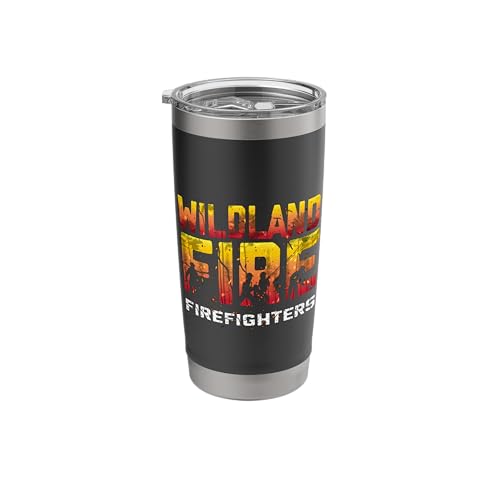
This dual-wall insulated tumbler is designed for long days on the line, helping to keep beverages hot or cold despite outdoor conditions. Its rugged construction makes it suitable for wildland crews and hand engine operators during extended operations. The design also supports portability and spill resistance, which can be valuable in active firefighting environments.
Curved Helmet Name Lettering Sticker

This reflective helmet decal supports quick unit identification from a distance, especially in low-light or smoky conditions. The sticker’s durability accommodates moisture and abrasion, helping maintain visibility over time. It offers color options to represent specific units and roles within a hotshot or wildland crew, aiding communication and safety on the line.
Additional Product Notes
In selecting gear for hotshots and wildland crews, consider fit, fabric durability, and field practicality. Hoodies should withstand frequent washings and outdoor exposure while remaining comfortable in varying temperatures. T-shirts provide a lighter option for training and non-emergency tasks. Hydration gear like insulated tumblers is essential for long shifts, and helmet decals support quick visual cues that improve crew coordination. Always verify sizing and availability, and ensure that any patches or decals are compatible with your department’s guidelines for gear and identification.
Buying Guide: Key Purchase Considerations For Wildland Gear
- Durability and fabric: Choose fabrics that tolerate frequent washing, heat exposure, and abrasion. Look for reinforced stitching and lightweight yet sturdy construction for on-the-job wear.
- Fit and comfort: Classic or relaxed fits with cotton blends offer comfort during long shifts. Twill-taped necks and double-needle hems contribute to lasting wear.
- Layering potential: Opt for hoodies and lightweight tees that layer well with turnout or field jackets. Consider breathability for training versus hot-weather operations.
- Identification and visibility: Reflective decals and clearly labeled gear improve unit recognition and safety in smoky or low-light conditions. Ensure compatibility with your department’s color schemes and standards.
- Hydration solutions: Insulated drinkware helps maintain beverage temperature during long deployments. Look for durability and ease of cleaning in rugged environments.
- Maintenance and care: Check washing instructions and iron-on compatibility for patches. For decals, confirm that adhesion remains strong through repeated wash cycles.
- Cost versus longevity: Higher-quality garments may offer longer lifespans, reducing replacement frequency. Balance budget with expected usage and environmental exposure.
- Brand and reliability: Choose brands with a track record in wildland or firefighting apparel to ensure consistent sizing, fabric performance, and customer support.