Best Water Powered Generators for Off-Grid Power
Water-powered generators harness the kinetic energy of flowing or pressurized water to produce electricity. This guide highlights five practical hydro-based generators suitable for off-grid living, emergencies, or remote accessories. Each product section provides a concise overview, key features, and deployment ideas. A buyer’s guide below covers factors to consider when choosing a hydro generator and how these models compare for different use cases.
| Product | Brand | Key Use | Power Range |
|---|---|---|---|
| Beduan Micro Water Turbine Generator (12V) | beduan | Small off-grid power, charging | 12V DC, up to 220 mA |
| OLONETO Portable Micro Hydro Generator | OLONETO | Camping, cabin, creek power | 50W output |
| Wonofa Micro Hydro Generator (12V) | wonofa | Emergency energy, small loads | 12V power, 10W+ range |
| ZHOZHUT 3000W Micro Hydroelectric Generator | ZHOZHUT | Home/off-grid power | 3000W rated |
| Beduan Micro Water Turbine Generator (24V) | beduan | Higher voltage off-grid setups | 24V AC, up to 220 mA |
Beduan 12V Micro Water Turbine Generator
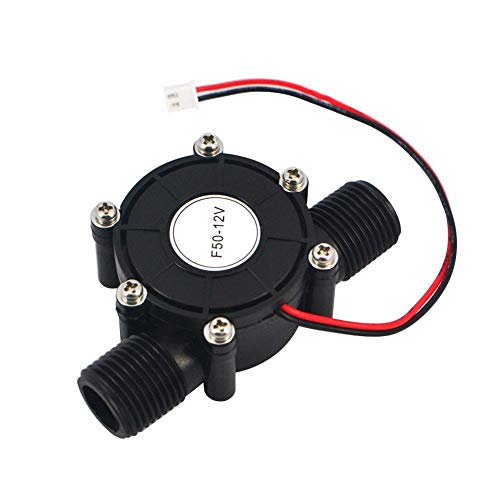
The Beduan micro turbine is designed to convert water flow into 12V DC electricity. It features an outlet pressure tolerance up to 1.2 Mpa and a quiet operating noise level (≤55 dB). The generator life is listed at ≥3000 hours, and it can power small devices such as a 12V radio, LED lighting, and general charging tasks with a maximum charge current of 220 mA. This model suits compact, low-power off-grid applications, especially where a steady water source is available.
Pure AirWater A10 Atmospheric Water Generator

While primarily a water-from-air unit, the A10 integrates atmospheric water generation with purification. It requires no plumbing and operates from a standard outlet. Built-in filtration (PAC/ultrafiltration/carbon/UVC) aims to deliver drinking water with minimized impurities. Production volume depends on ambient humidity and temperature, with the unit supporting operation in environments with humidity above 50% and temperatures above 59°F (15°C). Maximum practical output is about 2.64 gallons per day under optimal conditions.
Oxseryn 4400W Inverter Generator (Gas-P powered Open Frame)
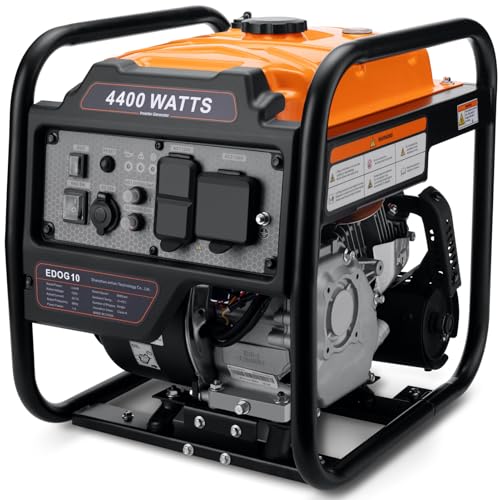
Note: This model is powered by gasoline rather than water. It serves as a broader generator option for off-grid scenarios where fuel is available. It provides up to 4400 peak watts and 3400 running watts with ECO mode to improve efficiency. It offers multiple outlets, extended runtimes, and a sizable fuel tank suitable for times when water turbines are impractical due to water source variability.
OLONETO Portable Micro Hydro Generator 50W

This 50W hydro turbine offers a high-efficiency brushless motor with a permanent magnet design and optimized impeller. It supports water pressures from 0.1–1 MPa and a wide range of water sources, including creeks and garden hoses. It’s compatible with adapters for 1/4/6 inch pipes, enabling flexible installation. The Pelton-type turbine design uses stainless-steel components to maintain performance under outdoor conditions and low-pressure scenarios. Suitable for small-stream or cabin applications needing reliable micro-power.
Wonofa Micro Hydro Generator 12V

The Wonofa micro hydro generator converts water energy into electrical energy at 12V. It emphasizes UV and water resistance for longevity and lists a generator life of more than 3000 hours. The design focuses on durability (anti-corrosion and robust structure) to support long-term operation in outdoor or challenging environments. It’s positioned for small-scale charging, radios, or LED lighting in off-grid setups.
ZHOZHUT 3000W Hydroelectric Generator

This three-phase hydro generator delivers up to 3000W at 220V with a durable aluminum alloy shell and pure copper core coil for improved efficiency. The design includes a side water inlet (110 mm) and bottom outlet (200 mm). It is compact for its power class (approx. 8 kg) and aims for stability with bearings supporting the water outlet and smooth rotation of the impeller. Installation involves connecting water pipes to inlet/outlet and starting when water pressure is sufficient.
AERstream GW Pro Atmospheric Water Generator

The GW Pro model focuses on generating drinking water from atmospheric humidity. It uses a multi-stage filtration system and a smart display to monitor humidity, temperature, and water levels. While not a traditional water-powered generator, it demonstrates how water-related energy systems can integrate purification and output, with a compact footprint suitable for home or office use in humid climates.
id=”buying-guide”>Buying Guide: Key Considerations For Water-Powered Generators
- Water source reliability: Evaluate whether you have consistent flow or pressure (stream, river, or reservoir) to sustain power production. Higher and steadier flow yields better energy output for hydro generators.
- Voltage and power needs: Match device voltage (12V, 24V, or higher) and wattage to your load. Larger hydro generators offer higher wattage but require a stable water source and sturdy installation.
- Efficiency and components: Look for brushless motors, Pelton-style turbines, copper windings, and corrosion-resistant materials for longevity in outdoor settings.
- Portability vs. capacity: Smaller micro-hydro units are easy to deploy intermittently but provide limited power. Larger units suit longer outages or off-grid homes but require proper anchoring and plumbing.
- Noise and environmental impact: Consider noise levels (some units list ≤55 dB) and the ecological footprint of installation, especially near streams or protected habitats.
- Maintenance and lifespan: A generator life of 3000+ hours and components designed for UV resistance extend service intervals. Inspect seals, bearings, and inlets/outlets periodically.
- Ease of integration: Assess compatibility with existing battery storage, charge controllers, and inverters if you plan a hybrid system.
- Safety and regulations: Ensure compliance with local codes for water-based equipment and electrical safety; secure installation to avoid overflow or flooding risks.
- Application diversity: For off-grid cabins, RVs, or boats, consider portability, mounting options, and water-source adaptability across weather conditions.