Best Electric Concrete Poker Vibrators for Efficient Construction
Electric concrete poker vibrators are essential tools for achieving uniform density and removing air bubbles in poured concrete. This guide highlights top models designed to boost productivity on construction sites, from compact handheld units to extended-shaft vibrators. Each selection focuses on high vibration power, durable builds, and practical shaft lengths to cover a range of jobs—from slabs to foundations. Read on to compare features, performance, and best-use scenarios for professional results.
Summary of Chosen Products
| Product | Brand | Max Power (W) | Vibration Speed (VPM) | Shaft Length | Key Benefit |
|---|---|---|---|---|---|
| BIZOEPRO Concrete Vibrator | BIZOEPRO | 1600 | 18,000 | 14.75 ft | High-frequency, durable cage |
| Bacocoo Electric Concrete Vibrator | Bacacoo | 2000 | 4,300 | 13.12 ft | Long reach for large volumes |
| COMOAEW 6–8m Vibration Rods | COMOAEW | 1800 | ~3,500 | 6–8 m rods | Versatile external motor options |
| vynsnp Electric Concrete Vibrator | vynsnp | 1500 | 16,000 | 14.75 ft | Long shaft with sturdy power |
| JUMgtcDL Electric Vibrating Motor | JUMgtcDL | 250 | 3,500 | N/A | Compact aluminum body, high durability |
BIZOEPRO Concrete Vibrator, 1600W, 18,000 VPM

The BIZOEPRO unit employs a 1600W copper motor producing up to 18,000 vibrations per minute. Its 14-3/4-foot flexible shaft expands reach to larger pours, enabling thorough compaction and air bubble removal. A stainless steel, non-scrolling cage protects the motor, while a dust-proof and waterproof switch adds site durability. This combination targets professional crews needing reliable performance on slabs, foundations, and columns.
Bacocoo Electric Concrete Vibrator, 2000W

The Bacocoo model uses a robust 2000W motor with a no-load speed of 4300 RPM for quick consolidation of concrete. The 13.12-foot shaft provides extended reach for large areas such as slabs, foundations, and bridges. The device emphasizes durability with impact-resistant construction and a protective motor cage, supporting repeated use across demanding construction schedules.
COMOAEW 1800W External Motor Vibrator (6–8 m Rods)
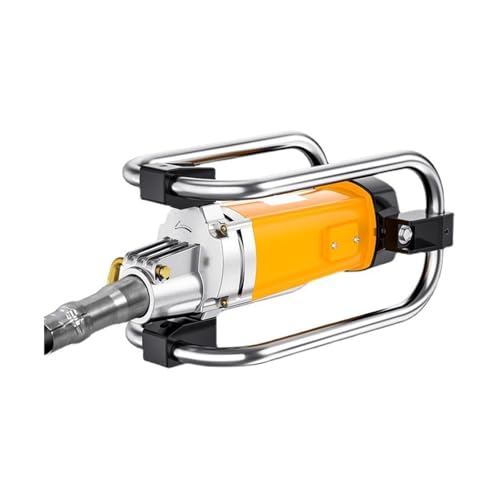
This COMOAEW setup features an 1800W motor with sturdy 6–8 meter vibration rods, suitable for large-scale projects. It is designed for professional construction use, including building, bridges, and columns. Carbon steel and alloy steel components ensure a durable tool capable of withstanding tough conditions on-site.
vynsnp Electric Concrete Vibrator, 1500W

The vynsnp model uses a 1500W copper motor delivering about 16,000 vibrations per minute. A long 14.75-foot shaft and a 5.5-foot power cord enable convenient operation away from outlets, helping crews reach distant sections of large pours without frequent repositioning, while maintaining effective air bubble removal.
Electric Concrete Vibrating Motor 250W, JUMgtcDL

The JUMgtcDL unit presents a compact option with a 250W motor and strong vibration up to 3,500 RPM. Made from an aluminum body, it aims to resist rust and wear in daily use. This model is best suited for smaller pours or as a supplemental tool in larger projects where a lightweight, portable option is desired.
Buying Guide
- Power and speed: Higher wattage and RPM generally translate to faster air-bubble removal and better compaction, especially for dense concrete mixes.
- Shaft length and flexibility: Longer shafts expand coverage for large slabs, while shorter models offer better maneuverability in tight spaces.
- Durability: Look for stainless steel or protective cages, dust-proof switches, and robust housings to withstand job-site conditions.
- Mobility and weight: Handheld units should balance weight with ease of use for extended periods; consider models with comfortable grips and reduced vibration fatigue.
- Vibration head and rod options: Some packages include multiple rods or rods of varying lengths to match project requirements; assess whether you need 6–8 meter rods or standard shorter configurations.
- Maintenance: Accessible components and straightforward disassembly support quicker repairs and longer tool life on busy sites.
- Electric compatibility: Ensure voltage compatibility (110V vs 220V) with site power sources and generators to avoid performance drops.
- Application scope: For slabs, foundations, and columns, prioritize models with extended shafts and higher RPM. For smaller projects, compact vibrators may suffice.