Best Dust Collector Blower Motors for Shop Upgrades
Whether you’re outfitting a new workshop or upgrading an aging dust collection system, selecting the right blower motor is crucial for consistent airflow, efficient filtration, and overall tool performance. This guide highlights five top options that fit a range of shop sizes and power needs. Each product is chosen for reliability, compatibility, and clear performance benefits to help you make an informed decision.
Summary of chosen products
| Product | Brand | Key Benefit | Inlet/Outlet | Notes |
|---|---|---|---|---|
| PSI Woodworking DC3XX 1.5 HP Portable Dust Collector Motor Blower | PSI Woodworking | High airflow with portable design | 4″ Inlet/Outlet | Pre-wired for 110V; 46 lb unit |
| Vacuum Motor Replacement, 2-Stage 120V | VTNPQ | Strong suction for central systems | 2-Stage design (unspecified port) | Replacement for OEM 116392-00/01 |
| WEN Dust Collector, 7.4-Amp Induction Motor | WEN | High airflow with wall-mount option | 4″ dust port | 600 CFM, 15-gallon bag |
| WEN Dust Collector, 5.7-Amp Motor | WEN | Compact and portable with wall-mount option | 4″ dust port | 660 CFM, 12-gallon bag |
| DL1036 Blower Fan Motor for HVAC/Industrial Use | LEUNGOO | Versatile replacement with multiple compatible models | 48 Frame (typical) | 1/3 HP, 1075 RPM, 115 V |
PSI Woodworking DC3XX 1.5 HP Portable Dust Collector Motor Blower
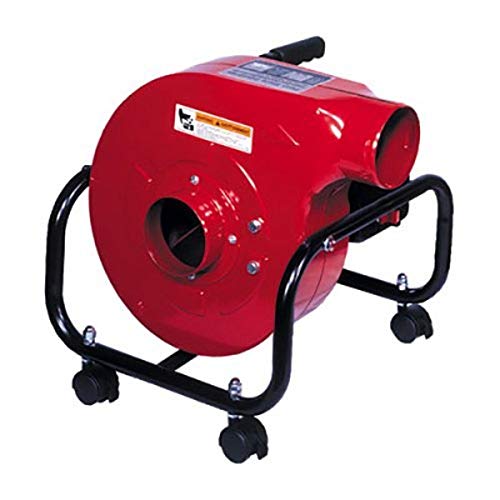
The PSI Woodworking DC3XX motor delivers 1.5 horsepower with a robust airflow rating and a maximum static pressure well-suited for medium to larger shop dust collection setups. With an air flow around 850 CFM and a 9″ steel impeller, this unit is designed to move a substantial volume of air through connected ductwork. It uses a 4″ inlet/outlet and runs on single-phase power, pre-wired for 110 volts, with an option to convert to 220 volts if your system requires it. Weighing in at roughly 46 pounds, it includes caster wheels for mobility. This makes it a strong candidate for portable or semi-permanent installations where flexibility is important. Features include high efficiency with straightforward setup and the potential for quick conversion to higher voltage if needed.
VTNPQ Vacuum Motor Replacement for Central Systems

This VTNPQ unit provides a two-stage 120V motor configuration designed to deliver strong airflow with quiet operation. It’s marketed as a compatible replacement for OEM numbers 116392-00 and 116392-01, making it a practical option when restoring performance in central vacuum systems, boat lifts, or industrial cleaning setups. The two-stage design helps optimize suction while maintaining efficiency, which can be essential for maintaining dust control in larger shops or spaces with extensive duct runs. Quiet operation is emphasized to minimize noise impact in busy work environments.
WEN 7.4-Amp Induction Dust Collector (DC3474)

WEN’s DC3474 combines a 7.4-amp induction motor with a 9-inch impeller to deliver up to 600 CFM of airflow. The unit includes a 15-gallon dust bag and a mobile base, with an optional wall-mount feature that adds flexibility for shop layouts. This model is designed for woodworkers who need solid air movement without occupying a lot of floor space. The combination of a robust motor and a sizable collection bag makes maintenance straightforward and helps maintain cleaner air while woodworking tools run.
WEN 5.7-Amp Dust Collector (DC3401)
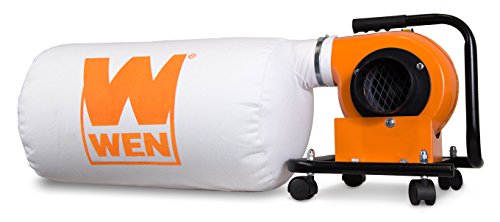
This model uses a 5.7-amp motor combined with a compact design and a 6-inch impeller to deliver up to 660 CFM. It features a 4-inch dust port compatible with common woodworking tools and a carrying handle integrated into the unit’s body for simplified storage and relocation. The DC3401 is well-suited for smaller shops or setups where space is at a premium but reliable dust collection remains essential.
DL1036 Blower Fan Motor by LEUNGOO

LEUNGOO’s DL1036 offers a versatile 1/3 HP blower motor with a 1075 RPM rating and 115 V operation. The model is marketed as a compatible replacement for various A.O. Smith, Fasco, Emerson, Dayton, Carrier, GE, and other brands, which can simplify interchangeability when upgrading or repairing older dust collection equipment. It includes a 48-frame form factor and a three-speed setup, with a built-in capacitor and support for longer life through compatibility with multiple HVAC and industrial applications. This makes it a solid option for users seeking a widely compatible replacement motor.
Buying Guide: Key Considerations for Dust Collector Blower Motors
- Power and airflow: Choose a motor with sufficient horsepower and CFM to match your tool lineup and ductwork length. Higher CFM supports larger shops and more tools without sacrificing suction.
- Voltage and power availability: Consider whether your shop’s electrical setup is 110V or 220V. Some motors offer pre-wired 110V configurations with options to upgrade to 220V.
- Inlet/outlet sizing: Ensure the motor’s inlet and outlet sizes align with your ducting (commonly 4″ or 6″). Mismatched ports reduce efficiency and may require adapters.
- Portability vs. permanence: Portable blowers with casters are flexible for multi-location use, while wall-mount or stationary units save floor space in dedicated dust-collection zones.
- Noise and efficiency: Look for designs that balance power with quiet operation. Two-stage or engineered airflow paths often reduce noise while sustaining suction.
- Compatibility and replacements: If upgrading, verify compatibility with OEM part numbers or existing frames (e.g., 48-frame, 56-frame). Replacement parts should be readily available.
- Maintenance and durability: Prioritize durable materials (steel impellers, sealed housings) and features that facilitate easy maintenance and filter changes.
- Safety: Ensure appropriate wiring, grounding, and motor protection against dust ingress. Check manufacturer guidelines for installation and safety compliance.
- System integration: Consider how the motor integrates with your bag or canister filters, blast gates, and duct runs to maintain consistent airflow and suction across zones.
In selecting a motor, weigh your shop’s size, tool mix, duct layout, and relocation needs. A portable unit offers flexibility for seasonal projects, while a permanently mounted blower delivers steady performance for a busy, year-round workshop. Review warranty terms and installation requirements to ensure the upgrade aligns with your maintenance schedule and safety standards.