Best Dangerous Goods Storage and Safety Products for Businesses
Effective handling of dangerous goods requires reliable containment, clear labeling, and secure storage. This guide highlights five top options that help organizations meet safety standards while keeping workspaces organized. Each product section provides a quick overview, key features, and how it supports safe storage of hazardous materials, chemicals, or sensitive items. The selection emphasizes durability, ease of use, and practical installation for facilities, warehouses, and regulated environments.
| Product | Brand | Use Case | Key Benefit |
|---|---|---|---|
| Danger Chemical Storage Area Sign | Wrapco | Restricted chemical zones | Bright, durable warning signs for authorized access only |
| TFCFL Hazardous Storage Cabinet | TFCFL | Small-scale dangerous goods storage | Sturdy steel, double-lock, fire-resistant construction |
| Futchoy Hazardous Storage Cabinet | Futchoy | Industrial safety storage | Solid steel build with enhanced locking and fire resistance |
| Akro-Mils KeepBox 12 Gallon | Akro-Mils | Small- to mid-sized container storage | Lidded, stackable, clear for visibility |
| Akro-Mils KeepBox 18 Gallon | Akro-Mils | Larger storage needs | Durable, hinged lid, easy identification |
Danger Chemical Storage Area Sign

The Danger Chemical Storage sign from Wrapco is designed for cabinets, containers, boxes, bins, or metal fencing. It comes in a single-pack configuration with bold graphics to clearly warn that hazardous chemicals in the area should be accessed only by authorized personnel. The sign is made from thick, high-quality plastic (80 mil) that resists corrosion better than many metal alternatives, which helps it endure diverse environments such as pool areas or industrial chemical storage zones. Pre-drilled mounting holes support quick installation on fences, doors, cabinets, posts, containers, or bins. This sign contributes to compliance by providing immediate visual cues to workers and visitors about restricted access.
Key features include durable, semi-flexible construction for versatile mounting and long-lasting visibility. The bright graphics are designed to capture attention, supporting safety protocols and reducing accidental exposure. Ideal for workplaces with hazardous substances, the sign complements other safety measures like spill response kits and labeling systems.
TFCFL 2 Gallon Hazardous Storage Cabinet

This compact safety cabinet from TFCFL uses 0.05″ thick cold-rolled steel with epoxy resin coating, delivering robust strength and resistance to acids, alkalis, corrosion, rust, dents, and deformation. Its double-wall construction with a 1.5″ air insulation gap enhances thermal stability, supporting safer storage of common hazardous materials. A three-point locking system with an aluminum lock cylinder provides reliable security, with the option to add a padlock for additional anti-theft protection. The cabinet doors open to 180° for easy access and 135° when closed automatically, aiding quick inspections and routine handling. Fire resistance is enhanced by airflow vents that reduce the buildup of volatile substances.
Use cases include small-scale chemical storage in laboratories, maintenance shops, and utility rooms. The cabinet’s sturdy build and lockable design help meet safety standards and reduce the risk of accidental exposure or theft of hazardous materials.
Futchoy Hazardous Storage Cabinet

The Futchoy hazardous storage cabinet mirrors professional-grade safety features suitable for industrial settings. Crafted from sturdy cold-rolled steel with an epoxy resin coating, this cabinet is designed to withstand chemical exposure, impact, and regular wear. Its double-wall design includes a 1.5″ air insulation space and fireproof cotton filling to help mitigate fire risks and provide better thermal protection for stored materials. A three-point locking system with an aluminum alloy lock cylinder enhances security, and the option to add a padlock increases protection against tampering. The cabinet doors offer wide access, facilitating inspections and routine handling while supporting a safer work environment.
Ideal for storing flammable or corrosive items in workshops, garages, and maintenance facilities, it provides an effective balance between safety, accessibility, and durability. This cabinet aligns with common safety and compliance practices for regulated storage spaces.
Akro-Mils KeepBox 12 Gallon Storage Container
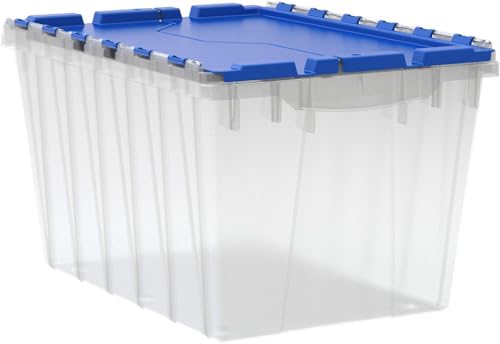
The Akro-Mils KeepBox 12 Gallon storage container is a nesting, stackable solution with a hinged lid. Its clear sides provide visibility of contents, aiding quick inventory checks in garages, basements, or workshops. The durable plastic construction is designed to withstand everyday storage tasks and offers padlock eyes on the lid for added security when needed. This size is well-suited for organizing tools, parts, or smaller hazardous-related supplies in controlled environments. The combination of sturdiness and lid-attached convenience makes it a practical option for improving storage efficiency without sacrificing accessibility.
Users benefit from the ease of stacking and the reliability of a closed container, which helps reduce clutter and improve safety by keeping potentially dangerous items contained and out of reach from unauthorized access.
Akro-Mils KeepBox 18 Gallon Storage Container
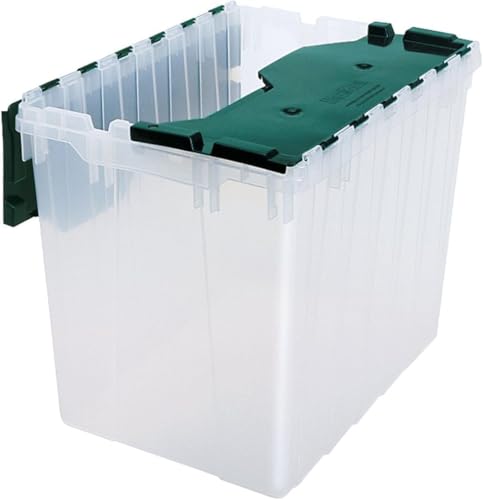
The 18 gallon version from Akro-Mils expands on the same reliable design as the 12-gallon option with greater capacity for larger items or greater quantities. It features clear sides for quick content recognition and a hinged lid that stays attached, simplifying storage workflows in busy environments. The KeepBox line emphasizes durability and stackability, with a low-profile footprint that helps maximize vertical space in storage rooms or utility closets. Padlock eyes on the lid provide an option to add security, ensuring that sensitive or restricted items remain secure when needed.
For facilities handling larger volumes of materials, the 18 gallon KeepBox offers a balanced mix of visibility, security, and resilience while maintaining straightforward accessibility for routine checks and audits.
Buying Guide: Practical Considerations For Safe Storage
Key purchase considerations for dangerous goods storage include safety compliance, capacity, durability, and accessibility. First, assess regulatory requirements relevant to your location and industry, such as OSHA or local fire codes, and ensure the products you choose support compliant labeling, locking mechanisms, and fire resistance where applicable. Durability is essential; metal cabinets and high-grade plastics should resist chemical exposure and physical impact while offering reliable hardware for long-term use.
Capacity should match your daily storage needs without wasting space. Layered or stackable options, like the Akro-Mils KeepBoxes, help optimize vertical storage in confined areas, while cabinets provide robust containment for liquids or solids that require separate zones. Accessibility features—wide doors, easy latch systems, and clear visibility—facilitate routine inspections, inventory, and spill response readiness.
Security features, including multi-point locking and optional padlocks, help prevent unauthorized access and theft of hazardous materials. Signage, such as the Wrapco danger sign, reinforces access controls and serves as a quick reminder of safety procedures. For mixed environments that handle both chemicals and sensitive items, consider a combination of labeled signage, properly rated storage cabinets, and transparent containers to promote efficient, compliant operations.
Cost considerations include total cost of ownership, which encompasses a product’s durability, maintenance needs, and the potential reduction in safety incidents. When evaluating options, compare features such as material thickness, insulation, locking mechanisms, and compatibility with existing storage layouts. Finally, plan for future needs by selecting scalable solutions that can accommodate growing volumes or changes in regulatory requirements without requiring a full replacement of storage systems.