Best Cross Linked Polyethylene Foam Rolls for Cushions and Insulation
Cross linked polyethylene foam rolls offer versatile protection, cushioning, and insulation for a variety of applications. The closed-cell structure provides chemical resistance, impact absorption, and excellent stability across a wide temperature range. This guide highlights five top options in the cross linked polyethylene family, outlining their key specifications and practical uses. Whether you’re protecting gear, packaging parts, or building sound or thermal barriers, these rolls help you tailor performance to your needs.
| Product | Color | Thickness | Size (W x L) |
|---|---|---|---|
| Cross Linked Polyethylene Foam Sheet, Blue, 1/2″ x 12″ x 24″ | Blue | 1/2″ | 12″ x 24″ |
| Cross Linked Polyethylene Foam Sheet, White, 3/4″ x 12″ x 12″ | White | 3/4″ | 12″ x 12″ |
| Cross Linked Polyethylene Foam Sheet, Blue, 1/4″ x 24″ x 48″ | Blue | 1/4″ | 24″ x 48″ |
| Cross Linked Polyethylene Foam Sheet, Black, 1/4″ x 12″ x 24″ | Black | 1/4″ | 12″ x 24″ |
| Cross Linked Polyethylene Foam Sheet, Yellow, 1/2″ x 24″ x 48″ | Yellow | 1/2″ | 24″ x 48″ |
Blue 1/2-Inch Thick Foam Sheet, 12×24

Item specifications indicate a firm 14+ psi compression deflection with a closed cell structure. The blue foam is made from cross linked polyethylene, delivering strong resistance to compression and good chemical stability. With a density of 4 lbs per cubic foot and a temperature range from -40° to 225° F, this sheet is suited for protective packaging, padding, and gasketing in varied environments. It also carries FMVSS302 compatibility for certain regulatory contexts.
White 3/4-Inch Foam Sheet, 12×12

This white foam sheet offers a medium firmness around 9 to 13 psi, balancing cushioning with support. Its 3/4″ thickness and compact 12″ x 12″ size make it ideal for small-scale packaging inserts, instrument cases, and protective liners. The polymer is cross linked for enhanced strength and chemical resistance, while maintaining a lightweight profile suitable for DIY and professional applications alike.
Blue 1/4-Inch Thick Foam Sheet, 24×48
With a 1/4″ thickness and generous 24″ by 48″ footprint, this blue foam sheet provides flexible padding and cushioning for larger panels or crate liners. The compression deflection is 14 psi, indicating firm support, while the closed cell structure helps resist moisture and environmental contaminants. A density of 4 lbs per cubic foot contributes to durable performance in moderate-impact scenarios and general protective applications.
Black 1/4-Inch Thick Foam Sheet, 12×24

The black variant delivers the same cross linked polyethylene performance with a 1/4″ thickness and a compact 12″ x 24″ footprint. It shares a firm 14+ psi compression deflection and a closed cell architecture, making it suitable for lightweight protective inserts, gasket seals, and vibration-dampening barriers in constrained spaces. Durability is supported by a 4 lbs/cu ft density and a wide operating temperature range.
Yellow 1/2-Inch Foam Sheet, 24×48
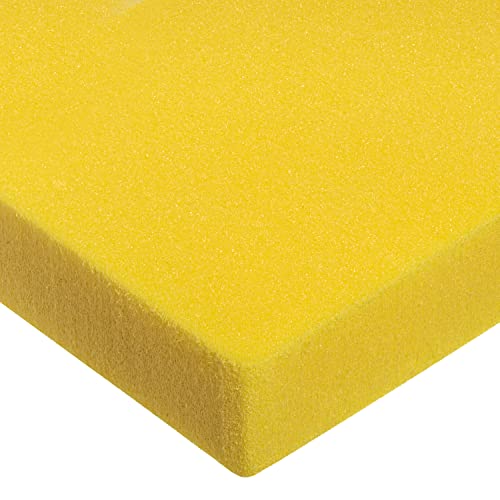
This yellow foam sheet combines a firm 14+ psi profile with a 1/2″ thickness and a large 24″ by 48″ area, enabling versatile uses from tool and equipment padding to custom packaging inserts. The cross linked polyethylene structure provides reliable strength and chemical resistance, while the broad surface supports easy cutting and shaping for tailored protectives. The material remains suitable across a broad temperature span and maintains its shape under load.
Buying Guide
Key purchase considerations when selecting cross linked polyethylene foam rolls or sheets include thickness, density, and firmness. Thicker sheets offer greater cushioning and impact absorption, while higher density contributes to improved load-bearing and tear resistance. Consider the intended application: delicate electronics and instruments benefit from softer profiles, while heavy tooling may require firmer textures and higher compression deflection. Color and size options aid in organization and fitment within cases, packaging, or enclosures. Compatibility with temperature ranges and chemical exposure is essential for industrial environments. Finally, ensure the material meets relevant standards or certifications, such as FMVSS302, for regulated applications.
Performance perspectives include:
- Protection vs. rigidity: balance cushioning with structural support to prevent movement and damage.
- Moisture resistance: closed-cell structure helps resist moisture and contaminants.
- Cutting and fabrication: choose sheets that are easy to cut, stack, and shape for custom layouts.
- Environmental considerations: temperature tolerance and chemical resistance influence long-term durability.
- Cost and availability: larger sheets may reduce waste, while color coding can aid inventory management.