Best Cement Brick Making Machines for Home and Small-Business Use
Cement brick making machines offer a compact, efficient way to produce durable blocks for small construction projects, home improvements, and farm applications. This article highlights five versatile models designed for DIY enthusiasts, contractors, and micro-manufacturers. Each product is evaluated on build quality, production speed, ease of use, and value. Read on to compare options and identify the best fit for your needs.
| Product | Brand | Key Benefit |
|---|---|---|
| KUSOLE Cement Block Forming Machine (B0FRMPVHSQ) | KUSOLE | Fast forming; sturdy build |
| Kindevieft Cement Block Forming Machine (B0FRSBK9KW) | Kindevieft | Durable, high-frequency compaction |
| Cement Block Forming Machine (B0FR9RVC3Q) | KUIOPNET | Plug-and-play; reliable workflow |
| Cement Block Forming Machine (B0FMJD3L54) | INTBUYING | Compact, versatile for small projects |
| Cement Block Forming Machine (B0FR8FMKCR) | KUIOPNET | High-frequency compaction; durable |
KUSOLE Three-Hole Cement Block Forming Machine

The KUSOLE model uses sturdy steel construction and industrial-grade components to withstand daily use on construction sites, landscaping projects, and small-scale production. It employs a powerful 550-Watt motor and delivers 23 kN of pressure, capable of forming up to 30 solid or hollow bricks per hour with a 45-second cycle time. The plug-and-play design simplifies operation: add cement, sand, or gravel to the mold, flip the switch, and let the hydraulic system do the work. This makes it suitable for DIY enthusiasts, contractors, and small businesses seeking rapid brick production for roads, walls, or fire pits.
Key features include durable construction, rapid forming, and straightforward use. The three-hole design enables efficient batch production, helping users optimize throughput on limited labor or space. This model is a practical choice for home workshops or farm-scale projects where consistent brick quality is important.
Kindevieft Cement Block Forming Machine

The Kindevieft unit emphasizes durability with a high-strength steel frame and powder-coated anti-rust finish. It is designed for continuous operation, making it suitable for contractors who need consistent brick production for concrete blocks, earth bricks, or cement pavers. With a 550-Watt vibration motor and a 23 kN pressure, it achieves a production rate of up to 30 bricks per hour, completing each brick in about 45 seconds. A one-touch plug-and-play interface means no specialized training is required to start forming blocks and eject the finished pieces with the included tool.
While focused on performance, this model also targets usability and long-term reliability. The combination of high-frequency compaction, rugged construction, and straightforward operation supports steady output across multiple shifts, appealing to small businesses and professional operators who value durability and ease of maintenance.
Cement Block Forming Machine By KUIOPNET
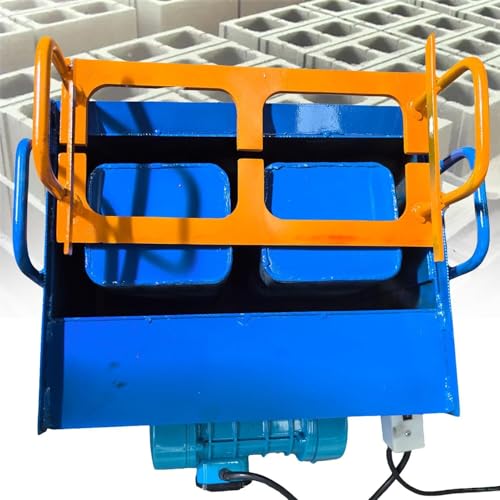
This electric hollow block maker from KUIOPNET features high-strength steel with a powder-coated rust-resistant finish for prolonged use. It combines a 550W vibration motor with 212 vibrations per minute and a 23 kN maximum pressure to form dense, durable blocks in about 45 seconds. The design is plug-and-play: load the material, start the vibrating press, and eject the finished blocks using the included pressing tool. It is well-suited for contractors needing reliable performance on small-to-medium projects and for homesteads undertaking regular block production.
Cement Block Forming Machine By KUIOPNET (Second Model)
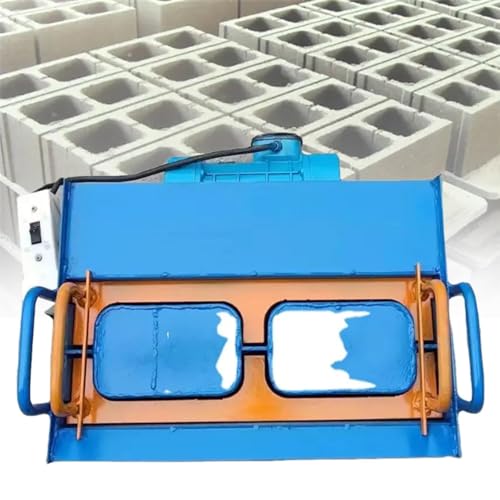
This second KUIOPNET option mirrors the core specifications of high-strength steel construction, rust-resistant coating, 550W vibration motor, 212 vibrations per minute, and 23 kN force. With a 45-second cycle and a capacity of about 30 bricks per hour, it supports efficient output for small businesses or home projects. The plug-and-play design emphasizes simplicity, allowing users to start producing blocks with minimal setup and without specialized training.
INTBUYING Concrete Brick Making Machine
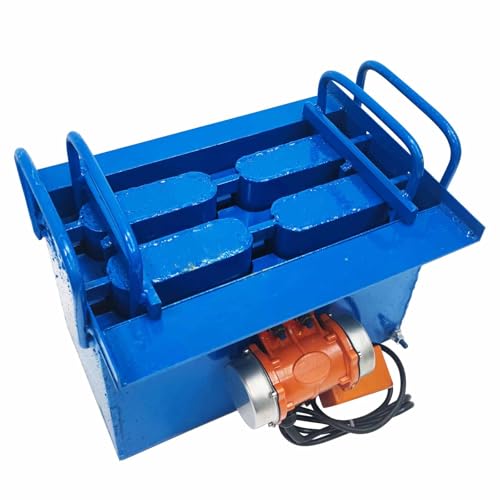
The INTBUYING model is a compact, manual/automatic hybrid designed for small-scale brick making. It is powered by a 110V setup with a 40W motor, suitable for home use and light commercial projects. The machine is built from carbon steel and is capable of forming hollow or solid bricks with dimensions around 15.7 by 7.8 by 7.8 inches. It emphasizes versatility for garden paths, landscaping, interior upgrades, and other minor construction tasks where custom-sized blocks are beneficial. The device prioritizes portability and straightforward operation for non-professional users.
Buying Guide: Key Considerations For Cement Brick Making Machines
When evaluating cement brick making machines, consider build quality, output rate, and ease of use. Steel construction and rust-resistant coatings are important for longevity in dusty or outdoor environments. Look for machines with 23 kN or similar pressure and around 30 bricks per hour for a balance between speed and reliability. The plug-and-play design reduces setup time and the need for specialized training, which is valuable for DIY users and small crews.
Versatility matters: models offering multiple molds or adjustable brick sizes can support a wider range of projects, from small garden features to pathways and walls. A compact footprint and simple maintenance routines help keep operating costs low and uptime high. If possible, review user feedback on vibration stability, mold integrity, and ease of removing finished bricks to gauge real-world performance.
Power and energy use are also important. A 550W motor with consistent vibration frequency typically provides reliable results, but consider your available electrical supply (110V vs 220V) and the total cost of operation over time. For home use, lighter-duty machines with adequate durability may be preferred, while contractors may prioritize continuous-duty capabilities and longer lifespan for daily production. Finally, ensure compatibility with standard cement, sand, and aggregate mixes common in your region to avoid material-related bottlenecks.