Best Aluminum Bar Stock for Industrial and DIY Projects
When selecting aluminum bar stock for machining, fabrication, or DIY builds, you want reliable dimensions, good machinability, and solid corrosion resistance. This article highlights five solid options that align with common aluminum hollow bar stock needs, focusing on 6061-grade profiles and versatile sizes. Each entry includes key specs, typical applications, and practical notes to help compare performance across different projects.
| Product | Diameter / Size | Length | Material | Notable Use |
|---|---|---|---|---|
| YOUNTHYE 1-1/4″ Round Bar | 1-1/4″ (32 mm) | 16″ (400 mm) | 6061 Solid Aluminum | Industrial components, automated parts, propellers |
| DNVOTRES 1-1/2″ Round Bar | 1-1/2″ (38 mm) | 16″ (400 mm) | 6061 Aluminum | Ships, rail, precision machining |
| YLJNGUS 1-1/2″ Round Bar | 1-1/2″ (38 mm) | 13″ (330 mm) | 6061 Aluminum | Industrial and DIY crafting |
| M-D Building 2×1/8″ Flat Bar | 2″ x 1/8″ | 48″ | 6061 Aluminum | General indoor/outdoor projects, fabrication |
| Phase 5 6061 Hex Bar | 7/8″ (0.875″) flat-to-flat | 13″ | 6061 Aluminum Hex | Welding, furniture, tooling |
YOUNTHYE 1-1/4″ Round Aluminum Bar

The YOUNTHYE 1-1/4″ round aluminum bar stock is a solid extrusion designed from 6061 aluminum alloy. It emphasizes high hardness, corrosion resistance, and excellent machinability—important traits for automated parts, propeller components, and structural elements that must endure demanding conditions. The bar ships at 16 inches in length, which offers flexibility for cutting to precise sizes without excessive waste. Applications span shipbuilding components, rail systems, and general machining tasks that require reliable aluminum performance with weldability.
Key considerations
6061 aluminum delivers balanced strength and workability for both milling and turning. The solid rod format is suitable for custom shafts, bushings, and fixtures. When planning a project, evaluate your required diameter tolerance and whether you will need post-machining coatings for added corrosion protection.
DNVOTRES 1-1/2″ Round Aluminum Bar

The DNVOTRES 1-1/2″ aluminum round bar is a solid 6061 alloy rod, offering robust strength and corrosion resistance. With 16 inches of length, it provides a versatile option for larger precision parts, pulleys, or structural members used in industrial machinery. The 1-1/2″ diameter supports heavier loads and stable machining, making it a practical choice for ship fittings or rail components where consistent material properties matter.
Key considerations
Choose this size when you anticipate high structural loads or when you need a straightforward bar stock for drilling and internal features. Always verify length requirements and ensure your tooling can handle the 1-1/2″ diameter without excessive deflection during machining.
YLJNGUS 1-1/2″ Round Aluminum Bar

The YLJNGUS 1-1/2″ aluminum rod is crafted from 6061 aluminum, noted for its machinability, weldability, and corrosion resistance. This 13-inch bar is cut to a practical length for medium-scale parts or prototypes. The surface is described as smooth and flat, with careful sizing to minimize burrs and allow easy processing. It’s well-suited for DIY projects that require precise round stock, such as custom axles, spacers, or machine-ready components.
Key considerations
Consider whether you need longer stock or a shorter test piece for prototyping. Check that the 13″ length aligns with your project’s axis or bore requirements, and plan for downstream finishing steps like deburring and surface treatment if needed.
M-D Building Products 2 in. x 1/8 in. x 48 in. Flat Aluminum Bar

The M-D Building Products flat bar presents a long, versatile 48-inch length of 6061 aluminum in a flat profile. This kind of bar stock is ideal for fabricating brackets, supports, and frames where flat surfaces and stable dimensions are needed. The 2″ width and 1/8″ thickness strike a balance between rigidity and weight, making it tractable for milling, drilling, and light fabrication tasks commonly encountered in workshops and industrial settings.
Key considerations
Flat bar stock is particularly suited for parts requiring flat mating surfaces or welded bases. Consider post-processing needs such as edge deburring, surface finishing, or protective coatings to extend corrosion resistance in outdoor environments.
Phase 5 6061 Hex Aluminum Bar
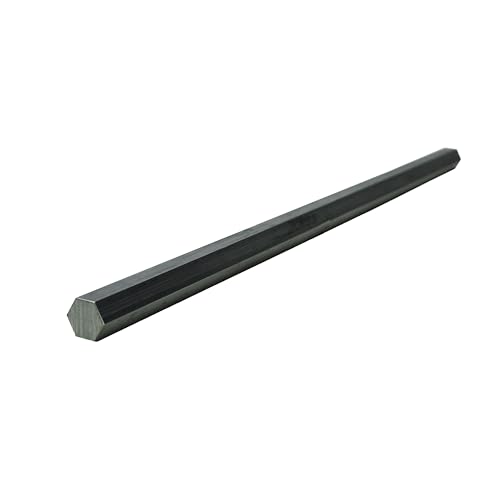
The Phase 5 6061 hex bar stock is designed for welding, fabrication, and tooling applications. The hexagonal shape provides improved grip and waisted stock for specific machining operations, helping to reduce chatter and improve accuracy in turning and milling. At 13 inches in length, it serves as a compact option for fixtures, brackets, or mechanical components that benefit from hex geometry for torque transfer and alignment.
Key considerations
Hex bar stock lends itself to wrench-friendly fasteners and easy clamping in fixtures. Confirm tolerance needs, as hex profiles can introduce small deviations during custom fabrication. If finish quality matters, plan for deburring and possible coating for corrosion resistance.
Buying Guide: Key Purchase Considerations
- Material and temper: All selected items use 6061 aluminum, a versatile alloy with good strength, machinability, and weldability. Confirm temper (T6, etc.) if your process requires specific mechanical properties.
- Size and geometry: Round, flat, and hex shapes serve different purposes. Choose geometry based on your project’s mating surfaces, load paths, and mounting needs.
- Length and yield: Match stock length to your design with some allowance for trimming and machining. Longer stock offers flexibility for multiple parts, shorter stock reduces waste.
- Finish and tolerances: Surface finish affects machinability and assembly. Burrs, flatness, and surface roughness can influence fitment and post-processing time.
- Corrosion resistance: 6061 aluminum has good corrosion resistance, but consider coatings or anodizing for outdoor or marine environments.
- Machinability and tooling: Plan for tooling capabilities, including milling cutters, lathes, and feeds for aluminum. Higher hardness or poor surface prep can affect tool wear.
- Applications and compatibility: Align material choice with intended use—ship fittings, brackets, fixtures, or DIY projects may benefit from different stock forms.
- Cost and availability: Availability varies by supplier and region. Bulk orders may yield better pricing, but evaluate storage and handling needs.