Best Aircraft Fuel Flow Sensor Solutions for Precise Readings and Safe Operations
Choosing the right aircraft fuel flow sensor is essential for accurate monitoring, efficient engine performance, and safe flight operations. This article highlights five reliable options, spanning marine- and aviation-focused sensors and general-purpose flow meters that meet aviation-grade needs. Each product is analyzed for accuracy, compatibility, durability, and ease of use so pilots, technicians, and enthusiasts can compare effectively.
| Product | Brand | Key Features |
|---|---|---|
| Fuel Flow Sensor PK | Lowrance | 10 ft cable, T-connector, compatible with LMF-200/400 and HDS units |
| Flow Meter, Aluminum Alloy 1/2 inch | Focket | Digital LCD display, high-accuracy flow measurement, suitable for diesel, gasoline, kerosene, engine oil |
| Maretron Fuel Flow Sensor 25-500 LPH | Maretron | Medium-range flow rates, marine-grade hardware, compact housing |
| Maretron M1AR Fuel Flow Sensor | Maretron | 0.033–1.67 LPM range, compatible with FFM100, robust aluminum housing |
| MCP Aviation Aircraft/Aviation Fuel Tester | MCP Aviation | 2nd generation, fuel-sample testing jar with integrated funnel for minimal splash |
Fuel Flow Sensor PK by Lowrance

The Lowrance Fuel Flow Sensor PK is designed for compatibility with specific marine and aviation display units. It ships with a 10-foot cable and a T-connector to facilitate integration into existing fuel systems. The sensor is described as suitable for lmf-200, lmf-400, and hds units, enabling straightforward data display and monitoring. The setup emphasizes a compact interface while maintaining reliable flow readings within its supported configurations.
Key considerations include ensuring the sensor’s electrical and plumbing interfaces match your aircraft or vessel’s fuel system. The included cable length supports flexible mounting, but users should verify connector types and unit compatibility to avoid misreads or installation issues. Durability and weather exposure should be evaluated for airborne environments where vibration and temperature swings occur.
Flow Meter, Aluminum Alloy 1/2 Inch Digital LCD (Focket)

The Focket aluminum flow meter features a digital LCD display for clear readouts and is designed for low-flow measurement. It emphasizes accuracy with a stated ±1% reading precision and broad compatibility with high-viscosity fluids such as diesel, gasoline, kerosene, engine oil, and other lubricants. Its compact design suits small- to mid-size fuel systems where precise low-flow monitoring is critical for engine firing and fuel management.
While the LCD display provides quick on-site readings, consider environmental sealing and the sensor’s material compatibility with aviation-grade fuels. A metal aluminum housing offers strength, but ensure the unit’s seals and threads are compatible with standard aircraft fuel lines and fittings to prevent leaks and corrosion in flight environments.
Maretron Fuel Flow Sensor — 25-500 LPH
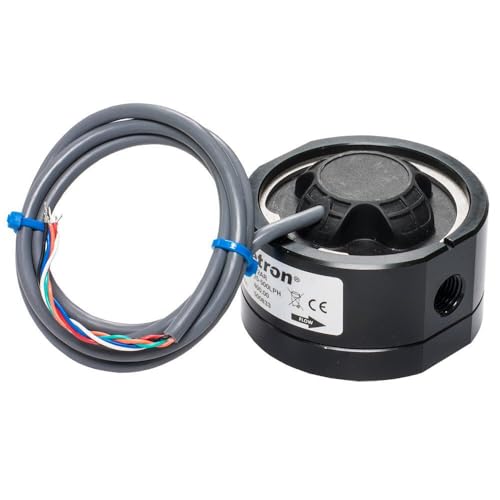
This Maretron sensor covers a practical mid-range flow rate window, suitable for marine and some aviation-related fuel monitoring tasks. The product page lists a compact footprint and standard packaging dimensions, emphasizing ease of installation and integration with Maretron’s monitoring ecosystem. The unit’s aluminum or corrosion-resistant components contribute to durability in humid or damp environments, which is relevant for aircraft fuel management where exposure to moisture is a concern.
Consider compatibility with your monitoring hub (FFM series) and the required fittings. The sensor’s max operating pressure and temperature limits should align with your aircraft’s fuel system specifications to ensure accurate readings and long-term reliability.
Maretron M1AR Fuel Flow Sensor

The Maretron M1AR is a dedicated fuel flow sensor with a configurable flow range of 0.033–1.67 LPM, designed to plug into FFM100 systems. Its aluminum housing provides robust protection against corrosion and environmental stress. The unit is rated for high operating pressure (up to 1000 PSI) and supports a wide operating temperature span, making it suitable for demanding aviation applications where fuel properties and ambient conditions vary widely during flight.
In choosing this sensor, assess whether your existing Maretron network and FFM monitor are compatible. Ensure correct thread size and connection type (1/4 inch NPT female port) to guarantee secure mounting and leak-free operation. The M1AR is well-suited for pilots and technicians seeking precise, in-system fuel flow data with integration into a broader vehicular or aircraft telemetry network.
Aeromotive Fuel Rail Pressure Adapter
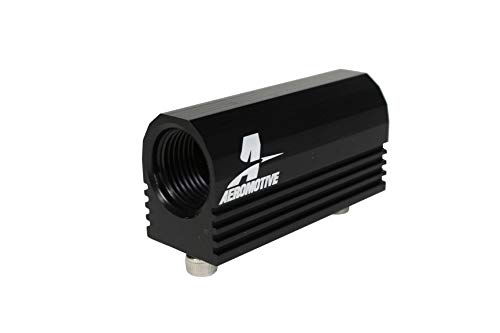
Aeromotive’s adapter line focuses on facilitating high-quality fuel flow and pressure integration. Although this item is not a primary flow sensor, it improves the fuel pathway by offering smoother transitions and reduced flow restriction. It is positioned as a premium option for configuring custom fittings and hoses that maintain consistent fuel delivery and sealing. This can be part of a broader sensor-enabled fuel-management strategy, especially when upgrading or routing fuel in a bird’s-eye system where high-flow characteristics matter.
When evaluating fittings for aircraft applications, verify material compatibility, tolerances, and sealing methods to prevent leaks under operating pressures. Aeromotive’s reputation for reliability in performance fuel systems can be beneficial for owners seeking durable hardware that complements precise flow measurement hardware.
Aircraft Fuel Tester — AFT-1 by ASA

The AFT-1 fuel tester focuses on quick sampling and analysis for general aviation. It is designed to fit all quick-drain valves and includes an adapter for recessed drains, making it adaptable for various aircraft configurations. This tool helps confirm fuel quality and presence at a glance, complementing sensor data with direct sample verification to ensure safe operation during pre-flight checks or in-flight troubleshooting.
For pilots and maintenance crews, pairing an AFT-1 with a reliable flow sensor provides a comprehensive view of fuel status. When used together, they help verify that fuel flow readings align with actual sample results, supporting safer and more informed decision-making in the air and on the ground.
Buying Guide: Key Purchase Considerations for Aircraft Fuel Flow Sensors
- Accuracy and range: Choose sensors with a measurement range that matches your system’s expected flow rates. Consider both low-flow precision and maximum capacity for your engine and fuel system.
- Compatibility and connections: Verify thread types (NPT, JIC, AN), connector housings, and electrical interfaces with your aircraft’s existing instrumentation and power supply. Ensure compatibility with your data logger or display hub.
- Environmental durability: Aviation and marine environments demand corrosion resistance, vibration tolerance, and temperature resilience. Aluminum housings and sealed connections are common indicators of durability.
- Flow media compatibility: Ensure the sensor is rated for fuels you use (diesel, gasoline, kerosene) and compatible lubricants if they are present in your system. High-viscosity liquids may require specialized sensors.
- Installation and maintenance: Look for sensors with straightforward mounting and accessible calibration options. Documentation and support are important for long-term reliability.
- System integration: If you use a monitoring ecosystem (such as Maretron FFM), verify that the sensor integrates smoothly with your monitoring hub, alarms, and data logging workflows.
- Physical footprint: Space constraints in aircraft mean selecting compact sensors and tubing assemblies that minimize intrusion while maintaining accurate readings.
- Redundancy and safety: In critical flight systems, consider redundant sensors or cross-checks (e.g., flow sensors paired with fuel testers) to validate readings and detect anomalies early.